Buchzusammenfassung
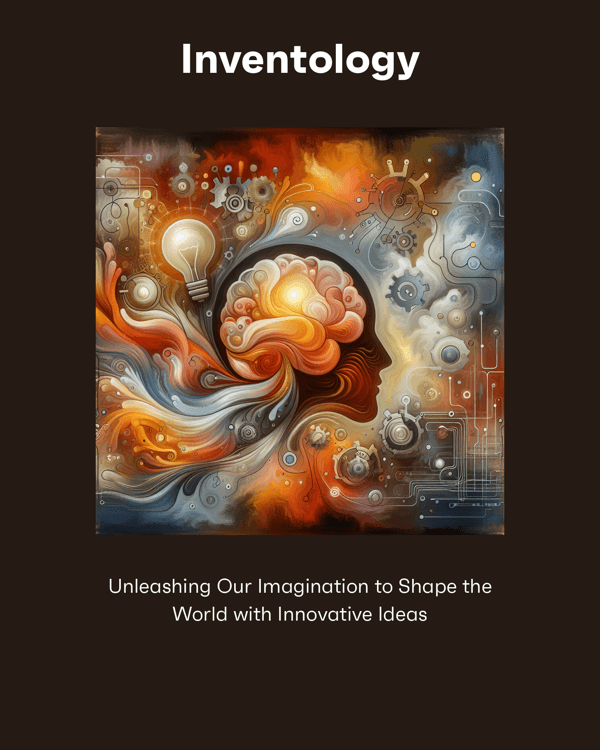
Pagan Kennedy, a journalist, writer and former MIT Knight Science Journalism Fellow, specializes in microbiology and neuro-engineering. She has written several books, both fictional and non-fictional, and her journalism has appeared in such publications as the New York Times Book Review and the Boston Globe Magazine.
The human brain’s capacity for innovation is extraordinary, as demonstrated by visionaries like Nikola Tesla, who could vividly imagine his inventions before creating them, and modern examples like Elon Musk, who has developed systems to bring ideas to life through gestures. Imagination, coupled with asking the right questions, is the foundation of creativity, enabling anyone to transform abstract concepts into reality. Advances in technology, such as data-mining, have revolutionized discovery processes, allowing researchers to uncover groundbreaking solutions, like repurposing existing medications, with unprecedented speed. Luck and observation also play a role, as seen in studies by psychologists Richard Wiseman and Mihaly Csikszentmihalyi, which highlight the importance of perception and exploration in problem-solving. However, in today’s data-driven world, forecasting future needs and trends, as exemplified by Moore’s Law and Xerox’s innovations, is equally critical. From Lawrence Herbert’s Pantone system to John Harrison’s marine chronometer and Adam Rivers’ creative problem-solving, history shows that transformative ideas often emerge from unconventional thinking and persistence, proving that anyone, regardless of their background, can innovate.
Um den Rest des Buches zu lesen, können Sie
Bitely herunterladen

 14 min
 8 Bite
 Einblick


 8 Bites