Buchzusammenfassung
Giulia Enders holds a PhD from the Institute for Microbiology and Hygiene of Hospitals in Frankfurt am Main, Germany. In 2012, her theories on the human gut won a science slam in Karlsruhe and Berlin.
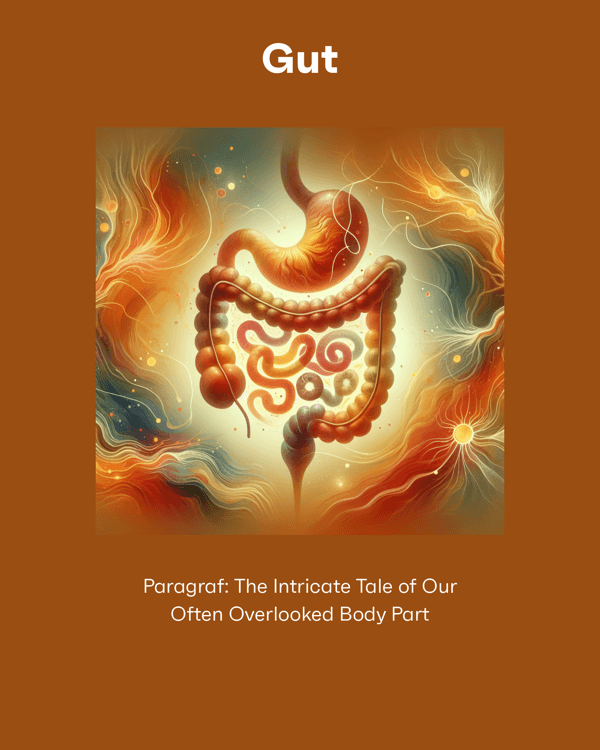
The digestive system, often overlooked and misunderstood, is a marvel of complexity and efficiency, playing a central role in our health and well-being. Housing approximately 100 trillion microorganisms, the gut flora not only aids digestion but also communicates with the brain, influencing cravings and emotions through neurotransmitters like dopamine and serotonin. This gut-brain connection is further supported by the enteric nervous system, which contains 500 million neurons and works closely with the vagus nerve to impact mood and cognitive function. The journey of food through the digestive system—from the esophagus’s wave-like motions to the small intestine’s nutrient absorption and the large intestine’s waste management—showcases the body’s intricate processes. Stress, diet, and even microorganisms like *Toxoplasma gondii* can disrupt these functions, highlighting the delicate balance required for optimal health. Beneficial microbes, many acquired during early life, are essential for digestion, immunity, and overall survival, with breast milk and diet playing pivotal roles in shaping gut health. Modern research continues to explore the profound influence of gut bacteria, from their role in allergies and lactose intolerance to their impact on long-term dietary habits, underscoring the importance of nurturing this internal ecosystem.
Um den Rest des Buches zu lesen, können Sie
Bitely herunterladen








 14 min
 10 Bite
 Einblick
 10 Bites