Buchzusammenfassung
Between 1987 and 2015, Neil McGregor served as the director of multiple British art and history museums, including the National Gallery and the British Museum. His other work on Germany includes a BBC Radio 4 series and an exhibition at the British Museum. He’s also the author of A History of the World in 100 Objects and Shakespeare’s Restless World: An Unexpected History in Twenty Objects.
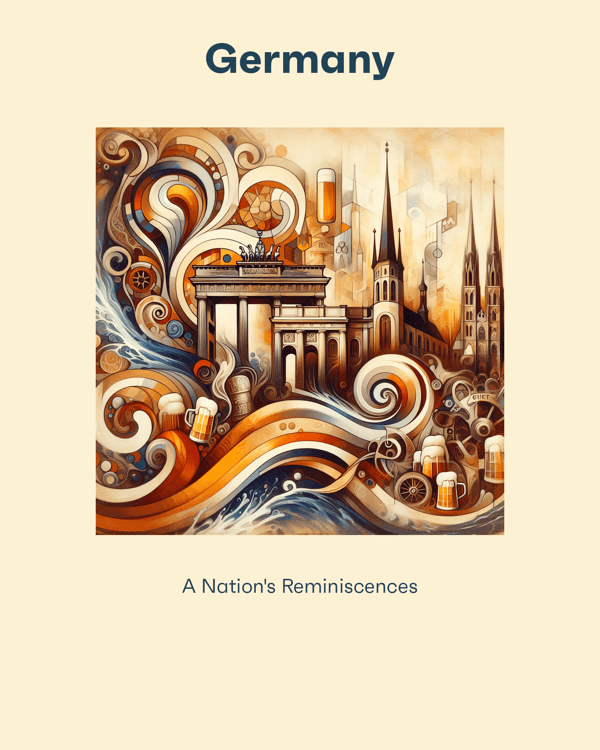
Berlin’s rich and complex history unfolds through its landmarks, traditions, and cultural symbols, reflecting both triumphs and tragedies. From the Brandenburg Gate, a neoclassical icon of peace and unity that has witnessed moments of conquest and celebration, to the enduring legacy of Germany’s beer culture and the Hanseatic League’s economic influence, the nation’s past is deeply interwoven with its present. Prussian iron jewelry and the Iron Cross highlight a cultural ethos of sacrifice and resilience, while the art of Käthe Kollwitz poignantly captures the human cost of war and poverty. The Rhine River, immortalized in German art and music, and the architectural marvels like Strasbourg’s cathedral, showcase Germany’s cultural reach beyond its borders. Language, as championed by figures like Martin Luther and celebrated by Thomas Mann, remains a cornerstone of German identity, uniting its people through centuries of upheaval and transformation. This intricate tapestry of history sets the stage for deeper exploration of Germany’s evolving identity in the chapters to come.
Um den Rest des Buches zu lesen, können Sie
Bitely herunterladen

 11 min
 8 Bite
 Einblick


 8 Bites