Nature & Science
Energy Myths and RealitiesEnergy Myths and Realities

Energy Myths and Realities

user-icon

Vaclav Smil

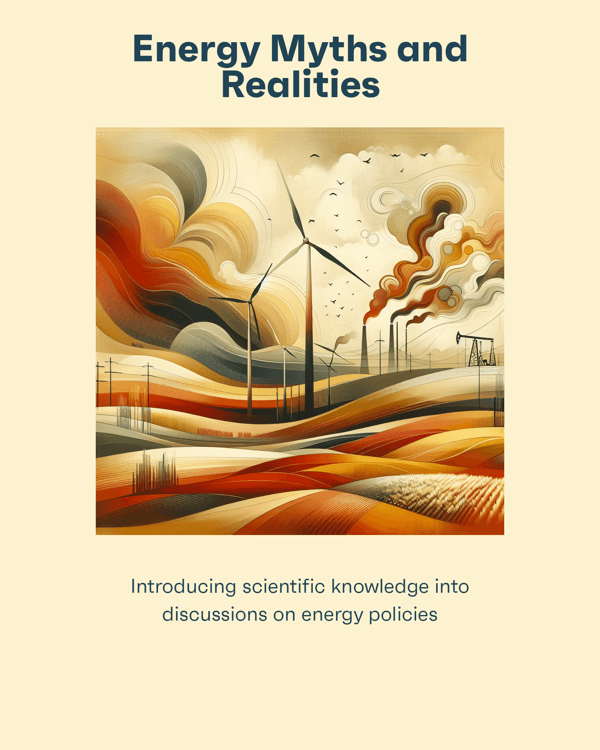
Wind energy, despite its immense potential, faces significant challenges that hinder its dominance as a primary energy source within the next 25 years. High-altitude jet stream winds are difficult to harness due to their seasonal variability and the impractical infrastructure required. Conventional wind farms, while more accessible, demand vast land areas, face local opposition over aesthetics and noise, and pose risks to wildlife. Additionally, wind’s unpredictability necessitates costly global transmission networks to balance energy fluctuations, further complicating its viability. Similarly, peak oil theories predicting imminent resource depletion and societal collapse lack evidence, as declining oil production often reflects reduced demand rather than scarcity. Advances in alternative fuels, efficiency, and resource management suggest a gradual energy transition rather than a catastrophic shift. Biofuels, once hailed as eco-friendly, prove unsustainable due to their extensive land requirements, competition with food crops, and limited compatibility with existing transportation systems. Carbon sequestration, another proposed solution to combat CO2 emissions, is prohibitively expensive, inefficient, and fraught with storage risks, including potential environmental contamination. Ultimately, energy policy must prioritize logical, long-term strategies that balance regional needs, minimize environmental harm, and focus on reducing fossil fuel reliance through improved efficiency and consumption management.

clock10 min
bite6 Bite
target Einblick

Worum geht es?

This book delves into the complexities of the global energy landscape, exploring the promises and pitfalls of various energy sources like wind, biofuels, and carbon sequestration. It examines the challenges of transitioning from traditional fuels to alternatives, highlighting the technical, environmental, and societal hurdles involved. Through a critical lens, it addresses misconceptions, competing interests, and the intricate balance required to shape sustainable energy policies. Engaging and thought-provoking, it offers a nuanced perspective on powering the planet’s future.

Buchzusammenfassung

Vaclav Smil is an interdisciplinary researcher who has authored hundreds of books and papers on energy, the environment, and population development, food production, the history of technical innovation, risk assessment, and public policy.

Wind energy, despite its immense potential, faces significant challenges that hinder its dominance as a primary energy source within the next 25 years. High-altitude jet stream winds are difficult to harness due to their seasonal variability and the impractical infrastructure required. Conventional wind farms, while more accessible, demand vast land areas, face local opposition over aesthetics and noise, and pose risks to wildlife. Additionally, wind’s unpredictability necessitates costly global transmission networks to balance energy fluctuations, further complicating its viability. Similarly, peak oil theories predicting imminent resource depletion and societal collapse lack evidence, as declining oil production often reflects reduced demand rather than scarcity. Advances in alternative fuels, efficiency, and resource management suggest a gradual energy transition rather than a catastrophic shift. Biofuels, once hailed as eco-friendly, prove unsustainable due to their extensive land requirements, competition with food crops, and limited compatibility with existing transportation systems. Carbon sequestration, another proposed solution to combat CO2 emissions, is prohibitively expensive, inefficient, and fraught with storage risks, including potential environmental contamination. Ultimately, energy policy must prioritize logical, long-term strategies that balance regional needs, minimize environmental harm, and focus on reducing fossil fuel reliance through improved efficiency and consumption management.

"Life’s great dichotomy is between autotrophs, organisms that can nourish themselves, and heterotrophs, or life forms that must feed on other organisms."

"Most people in affluent and middle-income countries worry about what is best to eat in order to maintain or improve their health and extend their longevity, not whether they will have enough to survive."

"Energy is the only truly universal currency, and nothing (from galactic rotations to ephemeral insect lives) can take place without its transformations."

Um den Rest des Buches zu lesen, können Sie Bitely herunterladen
appstoregoogleplayapp gallery
Alle Bissen
bite6 Bites

Debunking Peak Oil: Myths and Realities

1
logo

Rethinking Carbon Sequestration: Costs, Risks, and Limits

2
logo

Rethinking Biofuel: The Hidden Costs of Sustainability

3
logo

Harnessing Wind: Challenges to a Global Energy Shift

4
logo

Navigating the Complex Path to Sustainable Energy

5
logo

Rethinking Energy: Balancing Innovation and Sustainability

6
logo

Verwandte Bücher

mailbox-icon

Möchten Sie weiter lernen?

Verpassen Sie keine Updates aus dem aufregenden Universum von Bitely!