Buchzusammenfassung
Dan Ariely is a professor of psychology and behavioral economics at Duke University. His work has been frequently published in scholarly journals as well as the New York Times, Washington Post, and Scientific American. He’s also the author of Predictably Irrational (2008), The Upside of Irrationality (2011) and The Honest Truth about Dishonesty (2013).
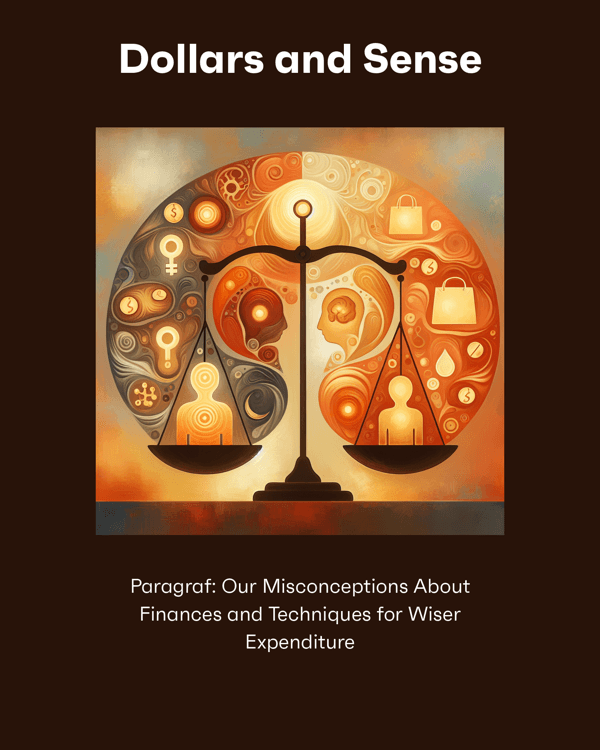
Money is a complex yet essential part of life, and despite understanding its importance, we often make irrational financial choices. One key reason is our failure to consider opportunity costs—the alternatives we forgo when making a purchase. This tendency, as demonstrated by Ariely’s observations at a car dealership, reveals that most people don’t naturally reflect on what they’re sacrificing. Another factor is our reliance on value cues, such as “limited-time offer” or “great deal,” which companies exploit to distort our perception of worth. Overcoming these pitfalls requires self-control, which can be strengthened by emotionally connecting with your future self, using specific dates to make goals tangible, or employing Ulysses contracts to eliminate temptation. Language and rituals also shape how we perceive value, as seen in how descriptive terms or ceremonial behaviors enhance our experiences. Mental and emotional accounting further influence our decisions, often irrationally, by categorizing money subjectively or attaching emotions to it. While these shortcuts simplify decision-making, they can lead to flawed choices, underscoring the importance of mindful spending and saving practices.
Um den Rest des Buches zu lesen, können Sie
Bitely herunterladen








 10 min
 5 Bite
 Einblick
 5 Bites