Buchzusammenfassung
Quentin Tarantino’s infamous 1992 film Reservoir Dogs was his directing debut. The ever popular Pulp Fiction followed two years later and won him an Oscar for Best Screenplay. Then came several other highly acclaimed films such as Kill Bill: Volume 1 and 2 and Django Unchained – which won him his second Oscar for Best Screenplay. His tenth film, Once Upon a Time in Hollywood, was released in 2019. Tarantino has also written a work of fiction based on Once Upon a Time in Hollywood. Cinema Speculation is his first foray into nonfiction.
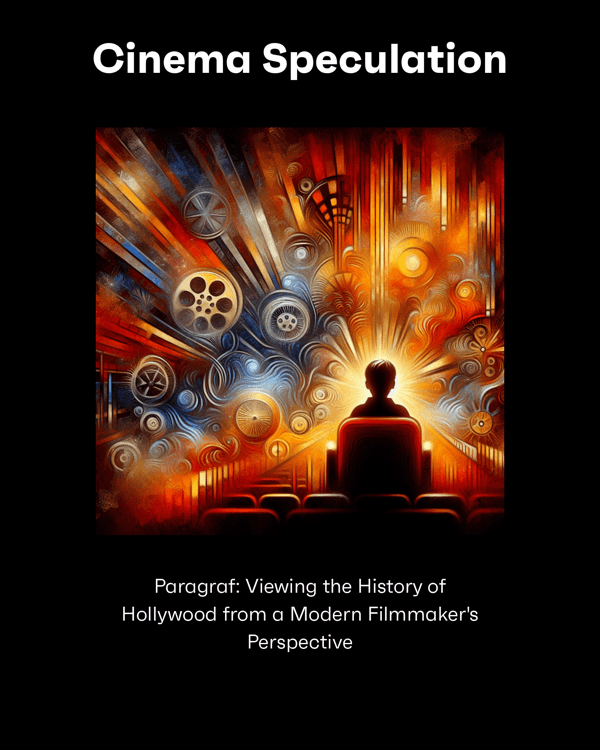
In 1970, seven-year-old Quentin Tarantino experienced the unconventional film culture of the Tiffany Theater, watching movies like *Joe* and *Where’s Poppa?* with his mom and stepdad. Though the content was inappropriate for his age, he enjoyed the humor and cherished the post-film discussions with his parents. His mother’s preference for movies over news allowed him to process on-screen violence as storytelling, though *Bambi* left a lasting emotional impact on him due to its tragic scenes. After his mom’s separation and her relationships with Black men, Tarantino’s movie outings became less frequent, but a memorable trip with Reggie to see Jim Brown’s *Black Gunn* and *The Bus Is Coming* in a lively Black cinema left a profound impression, sparking his lifelong fascination with the cinematic experience. Reflecting on *Taxi Driver*, Tarantino speculates how Brian De Palma’s direction might have shifted its tone from a character study to a political thriller, altering casting choices and retaining the racial identity of certain characters. He also draws parallels between *Taxi Driver* and *The Searchers*, noting shared themes of isolation and prejudice, while highlighting key differences in the protagonists’ motivations. Tarantino’s admiration for Don Siegel’s *Dirty Harry* stems from its raw depiction of violence and its resonance with a disillusioned post-war audience, marking a pivotal collaboration between Siegel and Clint Eastwood that redefined cop films. These cinematic experiences and reflections shaped Tarantino’s understanding of storytelling, audience dynamics, and the transformative power of film.
Um den Rest des Buches zu lesen, können Sie
Bitely herunterladen








 6 min
6 min 5 Bite
 Einblick
 5 Bites