Business & Career
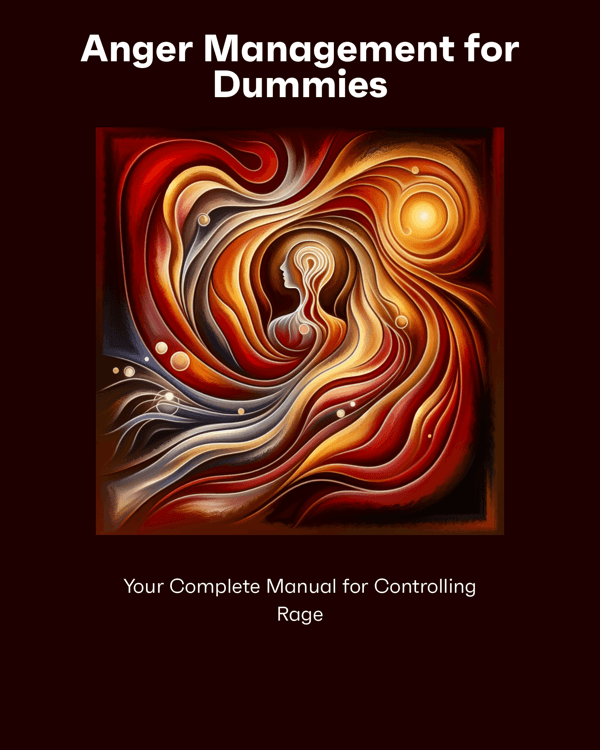
Anger Management for DummiesAnger Management for Dummies

Anger Management for Dummies

user-icon

Charles H. Elliott & Laura L. Smith

Anger, though intense and often sudden, can be managed by recognizing its physical signs—like rapid breathing or muscle tension—and intervening before it escalates. Redirecting thoughts, reframing situations positively, and practicing empathy can help maintain composure, even when provoked. Unresolved past experiences may amplify anger, making it crucial to confront and find closure for those memories. Quality sleep, regular exercise, and gratitude practices are essential for reducing irritability and fostering a positive outlook. To avoid brooding, set aside specific times to reflect on frustrations and use visualization or engaging activities to shift focus. While unchecked anger can harm relationships, health, and self-control, channeling it constructively can inspire personal growth and societal change, as seen in figures like Nelson Mandela. Stress, often a root cause of anger, comes in major and minor forms, both of which can harm health if unmanaged. Reframing stress as a challenge and addressing it proactively can mitigate its impact and improve overall well-being.

clock9 min
bite6 Bite
target Einblick

Worum geht es?

This book explores the complexities of anger and stress, offering practical strategies to understand, manage, and channel these emotions constructively. Through engaging examples and actionable advice, it delves into recognizing physical and emotional triggers, reframing challenges, and fostering healthier responses to life's frustrations. With insights on topics like sleep, gratitude, and visualization, it empowers readers to transform negative emotions into opportunities for growth and positive change. Perfect for anyone seeking to regain control over their emotions and cultivate a calmer, more balanced life.

Buchzusammenfassung

Charles H. Elliott, PhD, is a clinical psychologist, a founding fellow of the Academy of Cognitive Therapy and a professor emeritus at Fielding Graduate University. He specialises in therapy for emotional disorders.

Anger, though intense and often sudden, can be managed by recognizing its physical signs—like rapid breathing or muscle tension—and intervening before it escalates. Redirecting thoughts, reframing situations positively, and practicing empathy can help maintain composure, even when provoked. Unresolved past experiences may amplify anger, making it crucial to confront and find closure for those memories. Quality sleep, regular exercise, and gratitude practices are essential for reducing irritability and fostering a positive outlook. To avoid brooding, set aside specific times to reflect on frustrations and use visualization or engaging activities to shift focus. While unchecked anger can harm relationships, health, and self-control, channeling it constructively can inspire personal growth and societal change, as seen in figures like Nelson Mandela. Stress, often a root cause of anger, comes in major and minor forms, both of which can harm health if unmanaged. Reframing stress as a challenge and addressing it proactively can mitigate its impact and improve overall well-being.

Um den Rest des Buches zu lesen, können Sie Bitely herunterladen

appstoregoogleplayapp gallery
Alle Bissen
bite6 Bites

Transforming Anger Into a Force for Good

1
logo

Mastering Anger: Turning Outbursts into Opportunities

2
logo

Mastering Anger: Strategies to Regain Control

3
logo

Mastering Calm: Choosing Peace Over Provocation

4
logo

Mastering Stress: Turning Pressure into Growth

5
logo

Mastering Anger Through Rest and Gratitude

6
logo

Verwandte Bücher

mailbox-icon

Möchten Sie weiter lernen?

Verpassen Sie keine Updates aus dem aufregenden Universum von Bitely!