Buchzusammenfassung
Tim Alberta is the chief political correspondent for Politico Magazine. Before that, he worked for the National Review and National Journal. His journalism has appeared in dozens of major publications, including Sports Illustrated and The Atlantic. He lives in Falls Church, Virginia, with his wife and three sons.
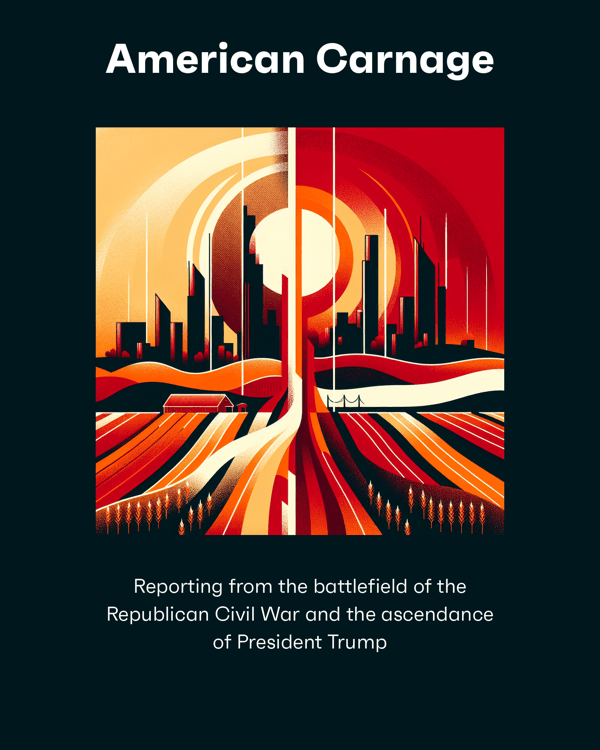
In 2008, the Republican Party faced significant challenges as the subprime mortgage crisis and the Iraq War dominated the political landscape, yet immigration unexpectedly became a focal point, exposing deep divisions within the party. While John McCain supported President Bush’s immigration reform, which offered pathways to citizenship, Mitt Romney capitalized on nativist sentiments, reflecting the growing resentment among Republican voters toward immigrants amid economic instability. The financial crisis further fractured the party, as libertarian factions opposed President Bush’s interventionist Troubled Asset Relief Program (TARP), which, despite stabilizing the economy, fueled populist anger over perceived favoritism toward Wall Street. These tensions set the stage for a broader ideological shift, culminating in the rise of Donald Trump, whose 2016 campaign rejected traditional Republican policies in favor of nationalist populism. Trump’s confrontational style, focus on immigration, and appeal to cultural nostalgia resonated with disillusioned voters, deepening America’s cultural and political divides. His victory, driven by strong support in rural, white working-class areas, highlighted a widening rift between urban and rural communities, further polarizing the nation.
Um den Rest des Buches zu lesen, können Sie
Bitely herunterladen

 12 min
 8 Bite
 Einblick


 8 Bites