Biography & History
After the FallAfter the Fall

After the Fall

user-icon

Ben Rhodes

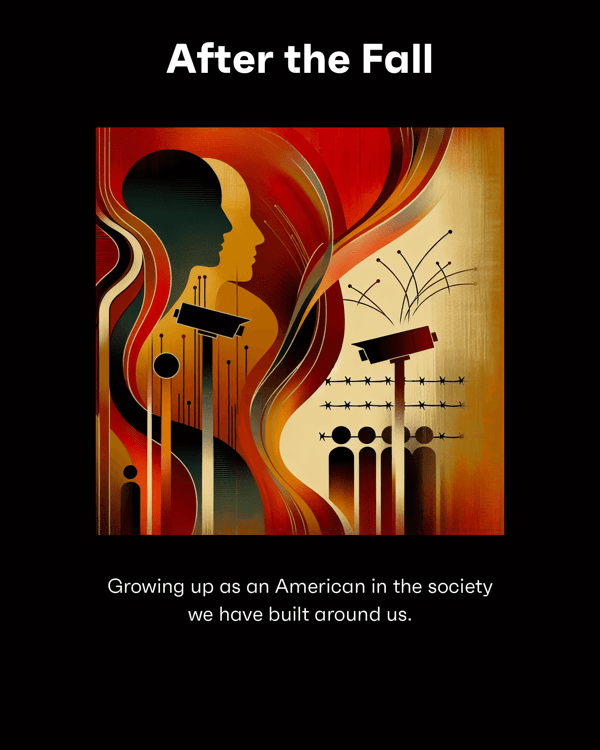
China’s strategic use of technology, nationalism, and authoritarian governance reflects a chilling evolution of power in the post-Cold War era, blending economic liberalization with pervasive surveillance. Inspired by American innovations and counterterrorism tactics, China has weaponized these tools to enforce control, exemplified by its social credit system and the repression of Uighurs in Xinjiang. This approach mirrors broader global trends, where leaders like Viktor Orbán and Vladimir Putin have exploited identity politics and nationalism to consolidate power, often drawing lessons from U.S. actions, such as the War on Terror, which inadvertently set troubling precedents. As authoritarianism rises, individuals like Sandor Lederer, Zhanna Nemtsova, and Hong Kong protesters continue their fight for democracy, embodying resilience against oppression. While the future remains uncertain, voices like Barack Obama and Maria Stepanova suggest that global crises may yet inspire a renewed commitment to truth and solidarity, setting the stage for the next chapter’s exploration of these dynamics.

clock13 min
bite7 Bite
target Einblick

Worum geht es?

This book delves into the intricate interplay between democracy and authoritarianism in the modern world, exploring how technology, nationalism, and global power dynamics shape governance. Through vivid examples from China, Russia, Hungary, and the United States, it examines the rise of surveillance states, the manipulation of identity politics, and the erosion of civil liberties. With insights from activists, leaders, and historical patterns, it offers a compelling look at the forces challenging democracy and the enduring fight to preserve it. A thought-provoking journey through the past and present, it raises urgent questions about the future of freedom.

Buchzusammenfassung

Ben Rhodes is a former advisor and speechwriter for President Barack Obama and current cohost of the popular podcast Pod Save the World. He is a contributor to MSNBC and NBC News, as well as the author of the best-selling memoir The World As It Is.

China’s strategic use of technology, nationalism, and authoritarian governance reflects a chilling evolution of power in the post-Cold War era, blending economic liberalization with pervasive surveillance. Inspired by American innovations and counterterrorism tactics, China has weaponized these tools to enforce control, exemplified by its social credit system and the repression of Uighurs in Xinjiang. This approach mirrors broader global trends, where leaders like Viktor Orbán and Vladimir Putin have exploited identity politics and nationalism to consolidate power, often drawing lessons from U.S. actions, such as the War on Terror, which inadvertently set troubling precedents. As authoritarianism rises, individuals like Sandor Lederer, Zhanna Nemtsova, and Hong Kong protesters continue their fight for democracy, embodying resilience against oppression. While the future remains uncertain, voices like Barack Obama and Maria Stepanova suggest that global crises may yet inspire a renewed commitment to truth and solidarity, setting the stage for the next chapter’s exploration of these dynamics.

Um den Rest des Buches zu lesen, können Sie Bitely herunterladen

appstoregoogleplayapp gallery
Alle Bissen
bite7 Bites

America’s Post-Cold War Descent into Disillusionment

1
logo

Identity Politics as a Tool for Control

2
logo

Putin’s Playbook: Power, Propaganda, and Nationalism

3
logo

America's Unintended Role in Empowering Authoritarianism

4
logo

Authoritarianism’s Rise in a Technological Age

5
logo

Technology’s Dark Turn: Power and Oppression

6
logo

Defying Tyranny: The Global Fight for Democracy

7
logo

Verwandte Bücher

mailbox-icon

Möchten Sie weiter lernen?

Verpassen Sie keine Updates aus dem aufregenden Universum von Bitely!