Buchzusammenfassung
John Lewis was one of the most influential American activists of the twentieth century. A close friend and colleague of Martin Luther King Jr., as well as one of the original 13 Freedom Riders, Lewis played a crucial role in ending legalized segregation in the South. He also ushered in vital civil rights legislation in the 1960s. He was elected to the US Congress in 1987 and served until his death in 2020.
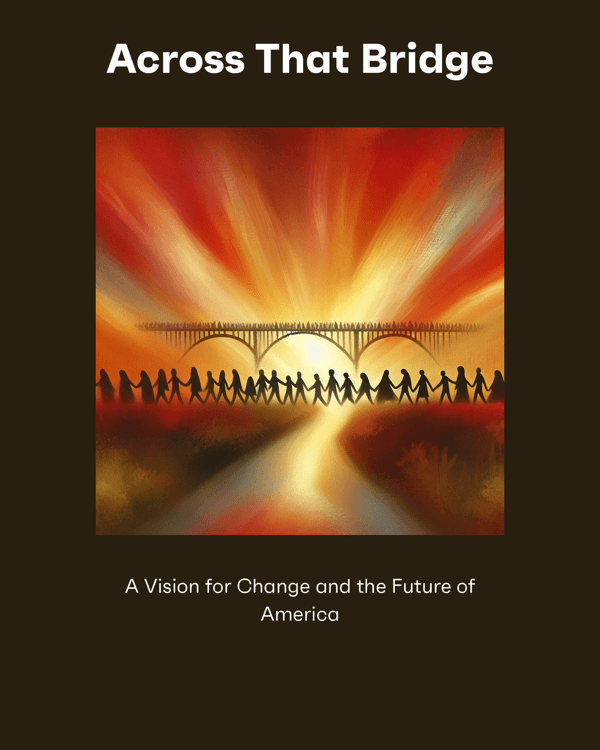
On March 7, 1965, John Lewis led a peaceful march across the Edmund Pettus Bridge in Selma, Alabama, to protest voter discrimination, only to face brutal violence from state troopers and armed citizens. This tragic event, which left Lewis with a fractured skull, became a pivotal moment in the civil rights movement, highlighting the power of collective determination to drive change. Lewis believed that the sacrifices made that day were justified, as they laid the groundwork for progress in addressing racial inequality, though much work remains. Reflecting on modern challenges, Lewis observed a resurgence of hostility, despite the hope sparked by Barack Obama’s election, as systemic oppression persists. Yet, he also noted a renewed commitment among people to the democratic process and a shared sense of humanity, reminiscent of the civil rights movement’s transformative spirit. This history underscores the enduring struggle for equality, the importance of patience and nonviolent resistance, and the necessity of translating convictions into action. Lewis’s life exemplified the power of faith, love, and perseverance in the face of adversity, inspiring others to embrace their unique potential and contribute to the ongoing fight for justice.
Um den Rest des Buches zu lesen, können Sie
Bitely herunterladen








 10 min
 7 Bite
 Einblick
 7 Bites