Buchzusammenfassung
Mark Bittman is a writer for the New York Times and New York Times Magazine. He's written a number of bestselling books, including How to Cook Everything and VB6.
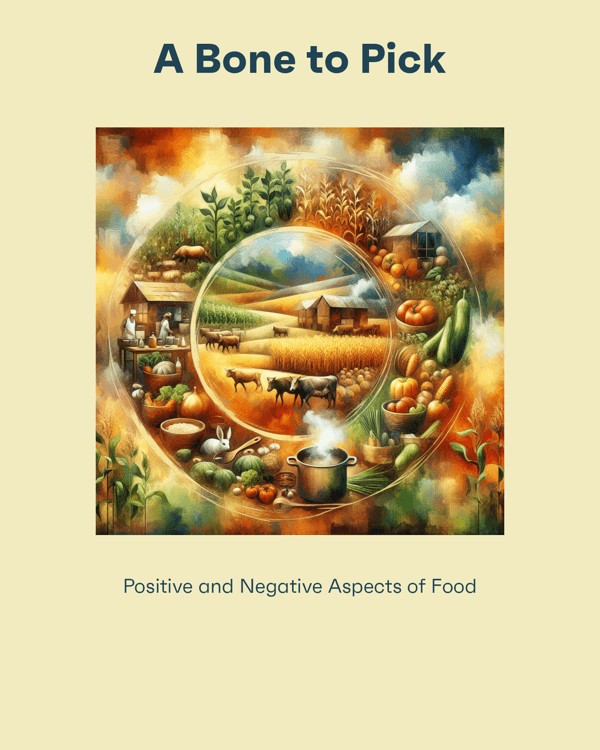
The global food system faces a paradox: despite producing enough to feed everyone, nearly a billion people remain malnourished due to systemic inefficiencies. A significant portion of food is lost to livestock feed, waste, and fuel production, but agroecology offers solutions through practices like diverse crop rotations, which improve soil health and productivity. Consumers can also contribute by supporting local farmers, choosing seasonal produce, and growing their own food. Reforming the industry requires balancing business interests with public health priorities, as seen in Mexico’s taxes on sugary drinks and junk food to combat obesity. Governments can further promote sustainability by redirecting subsidies toward ethical and organic farming, improving food labeling, and encouraging diets centered on unprocessed, nutrient-rich foods. The Mediterranean diet exemplifies a balanced approach, emphasizing vegetables, healthy fats, and minimal processed foods. Addressing excessive meat consumption and its impact on animal welfare, antibiotic resistance, and human health is equally critical, with flexitarian diets offering a practical compromise. Meanwhile, systemic changes are needed to improve working conditions for food industry employees, as demonstrated by the Coalition of Immokalee Workers’ success in Florida. Finally, home cooking emerges as a healthier, cost-effective alternative to fast food, empowering individuals to make informed choices about their diets and reduce reliance on processed, sugar-laden products.
Um den Rest des Buches zu lesen, können Sie
Bitely herunterladen








 10 min
 6 Bite
 Einblick
 6 Bites