.png&w=2048&q=75)
Those who find it difficult to say no should ask themselves why. This struggle can lead to irreversible consequences and can trigger psychological issues. Here are some reasons why people find it hard to say no:
Table of Contents
- The Need for Approval
- Guilt Complex
- Sensedon'tesponsibility
- Difficulty in Setting Boundaries
- Lack of Confidence
- Social Pressures
- Empathy
The Need for Approval
When people need approval, they agree with others to feel accepted. People who worry about being liked in their social circles may accept things they disagree with, fearing they will lose attention if they say no. However, being authentic can be far more appealing.
Ignoring the desire for approval and being able to say "no" can increase a person. When people respect themselves, those around them are more likely to respect them, too.
Guilt Complex
Some people see rejecting others as selfish. They may prefer not to say no to avoid feeling guilty about not conforming.
Since saying no may put the other person in a difficult position, people might forgo their desires. This is not healthy. Those who overcome guilt and prioritize themselves tend to be happier. After all, no one feels at peace agreeing to something they don't want.
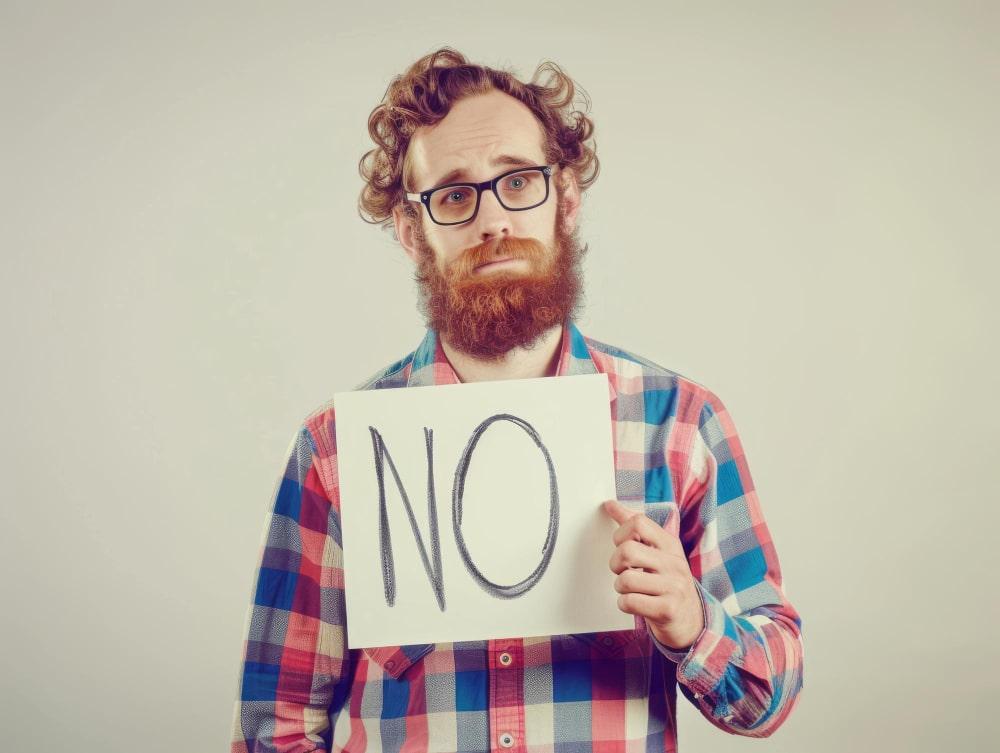
Sensedon'tesponsibility
Highly responsible people tend to say yes to anyone who asks for their help. However, this is not always the right approach. This is not only driven by a sense of responsibility; sometimes, it's a misdirecteit'snse of duty.
Helping others is valuable, but no one is obligated to meet everyone's needs at every moment.
No one should push themselves into a burdensome responsibility to avoid saying no.
Difficulty in Setting Boundaries
Setting personal boundaries is essential for people who want to improve themselves and live a more fulfilling life. This way, they can focus on their priorities. Those who struggle with boundaries often struggle to say no.
They constantly put others' needs first, which leads to neglecting their own. The most straightforward answer to why it's hard to say it's in the difficulty of setting boundaries. This is a learned behavior.
Lack of Confidence
People with low self-confidence are often the ones who say yes the most. Agreeing to others' requests makes them feel better, but only briefly. This feeling is grounded in worry and anxiety. Saying no requires confidence, and reading about this can help.
By questioning why they lack confidence, individuals can uncover its root causes. Once they address this, the struggle to say no will likely diminish.
Social Pressures
In some societies, disagreeing with the majority is seen as disrespectful. Those living traditional lifestyles might think that saying no is impolite.
Mature individuals who feel obliged to accept what their elders say may struggle to find their true selves. Those who feel this way can seek support from a professional to learn to express themselves and accept that saying no is nothing to be ashamed of.

Empathy
Empathy is valuable, but some people act emotionally and empathize even when they shouldn't. A shouldn't put their logic aside and avoid saying no out of emotional sensitivity.
To avoid such situations, it's essential to consider empathy's benefits and drawbacks before letting it guide one's actions.
"Saying no is the "key to freedom and healthy relationships."
– Anonymous
Learning to say no is essential for setting boundaries and creating space for our priorities. To get to know yourself better and support your personal growth on this journey, explore the book summaries offered by Bitely.
With Bitely, you can build confidence, master effective communication techniques, and bring the power of saying no into your life. Get ready to make more room for yourself with Bitely!


.png&w=2048&q=75 "Sun Tzu and ‘The Art of War’: The Evolution of Strategies Over Time")