.png&w=2048&q=75)
Anxiety is a condition where worry and fear are experienced at an extreme level. A person’s life can be negatively affected as long as anxiety persists.
People with anxiety start to lose enjoyment in life. If such a situation arises, it is best to consult a professional and begin anxiety therapy.
Table of Contents
- Is Anxiety Therapy a Guaranteed Solution?
- What are the Methods of Anxiety Therapy?
- Cognitive Behavioral Therapy (CBT)
- Exposure Therapy
- Relaxation Techniques
Is Anxiety Therapy a Guaranteed Solution?
Receiving therapy to cope with anxiety disorders and alleviate symptoms can prevent the treatment process from extending unnecessarily. A person must accept this issue and schedule an appointment with a trusted psychotherapist.
Individuals experiencing anxiety often believe they will never overcome this problem. They might even resign themselves to living with worries forever. However, the right therapy can guide a person toward positive thinking. Thus, the level of anxiety decreases and may eventually cease altogether.
What are the Methods of Anxiety Therapy?
Anxiety therapy consists of psychotherapy sessions aimed at reducing anxiety. Commonly used methods include Cognitive Behavioral Therapy, exposure therapy, and relaxation techniques. To explain these therapy methods in detail:
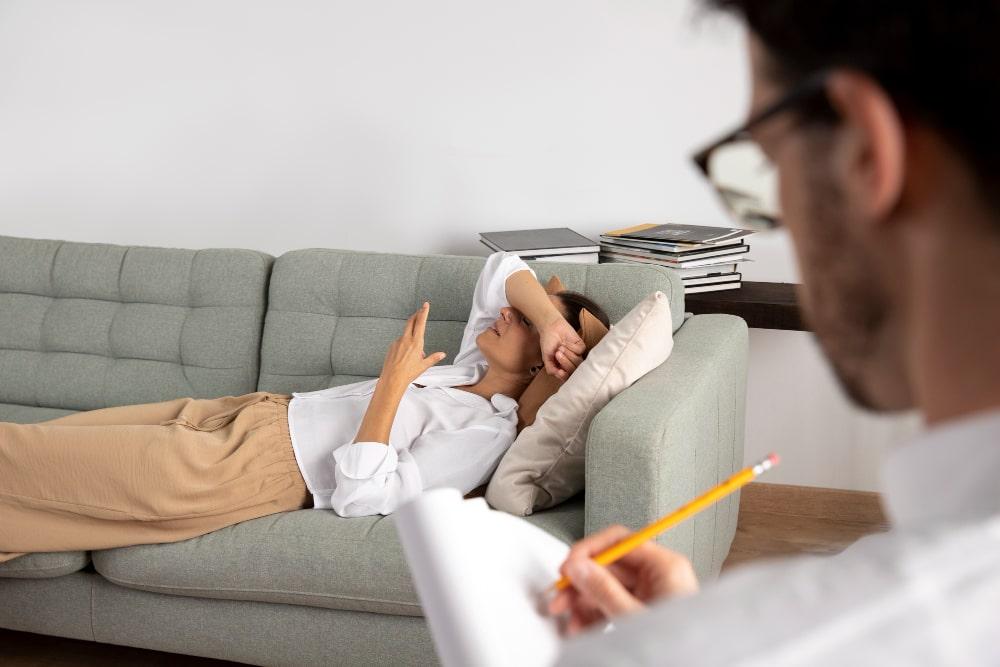
Cognitive Behavioral Therapy (CBT)
CBT is a widely used therapy method in which thoughts stemming from anxiety can be restructured. When negative thoughts are replaced with healthy ones, Cognitive Behavioral Therapy has been correctly implemented. Regular attendance in therapy can shorten the time it takes to achieve positive results.
The person experiencing anxiety must trust their therapist and apply what they learn in daily life. Patience is essential during the CBT process, as treatment can sometimes take longer than expected.
For successful treatment, time and effort are required. Having high expectations in a short time can lead to disappointment. It is crucial not to interrupt the treatment and to follow the therapist's guidance.
Exposure Therapy
Exposure therapy is one of the commonly used methods for treating anxiety disorders. It involves the act of gradually exposing the individual to the source of their anxiety in a safe manner.
When a person confronts their anxiety in a controlled way, they realize that anxiety normalizes over time. Initially, the anxiety level may rise during exposure therapy but will subsequently decrease as the person adjusts.This process is vital for the brain to acquire new experiences. As the brain gains experience with its anxieties, it begins to desensitize to fear and worry.
Exposure therapy can be subdivided into different types. The therapist observes the person with an anxiety disorder and applies the most suitable exposure therapy to address the issue.
Exposure therapy can be examined under four main categories: direct exposure, imagined exposure, virtual exposure, and intensive exposure.
Relaxation Techniques
Relaxation techniques are practices that help prevent stress and tension. These techniques provide mental and physical relaxation. As an individual's mind and body relax, their anxiety level gradually decreases. When properly applied, relaxation techniques are beneficial for anxiety disorders.
If a person facing anxiety plans to use relaxation techniques, they should start with breathing exercises. Proper breathing helps relax the body during stressful moments.
Progressive muscle relaxation is also used in the treatment of anxiety disorders. The goal of this method is to promote the relaxation of tense muscles throughout the body.
Another relaxation technique is mindfulness, which involves conscious awareness. A person practicing mindfulness focuses on their breath, body, and surroundings, avoiding judgment of thoughts and feelings.
Visualization, which is also a part of relaxation techniques, allows for mental relaxation. In this technique, imagery is used. The person imagines themselves in a peaceful and safe environment.
Yoga and Tai Chi are also essential methods. These techniques involve slow physical movements that help reduce accumulated tension in the body.
When combined with breathing exercises, these methods significantly reduce anxiety.
Finally, let’s mention aromatherapy, which can be beneficial for anxiety disorders. Essential oils with calming properties, such as lavender and chamomile, can help alleviate anxiety symptoms.
Managing your anxiety, strengthening your mental health, and understanding yourself better can create positive changes in your life. In Bitely’s Psychology category, you can find numerous book summaries and micro-content that delve deeply into topics like emotional health and anxiety.
Whether by reading or listening, you can equip yourself with practical information to apply in your daily life. Start exploring with Bitely to overcome anxiety and embark on a healthier mental journey.


.png&w=2048&q=75 "Sun Tzu and ‘The Art of War’: The Evolution of Strategies Over Time")