.png&w=2048&q=75)
Most mental disorders can significantly impact an individual's quality of life. However, it is increasingly understood that depression is not only a mental issue but also closely related to nutrition and overall lifestyle.
In this article, we will explore the effects of nutrition on depression and examine how a healthy diet can improve your mood.
Table of Contents
- Nutrition and Depression: A Scientific Perspective
- Omega-3 Fatty Acids and Depression
- The Importance of Vitamins and Minerals
- The Impact of Antioxidants on Mood
- The Effects of Dietary Habits on Depression
- Balanced Diet
- Regular Meals
- Hydration
- Nutrition and Anxiety: Connections and Solutions
- Lifestyle and Depression
- Conclusion
Nutrition and Depression: A Scientific Perspective
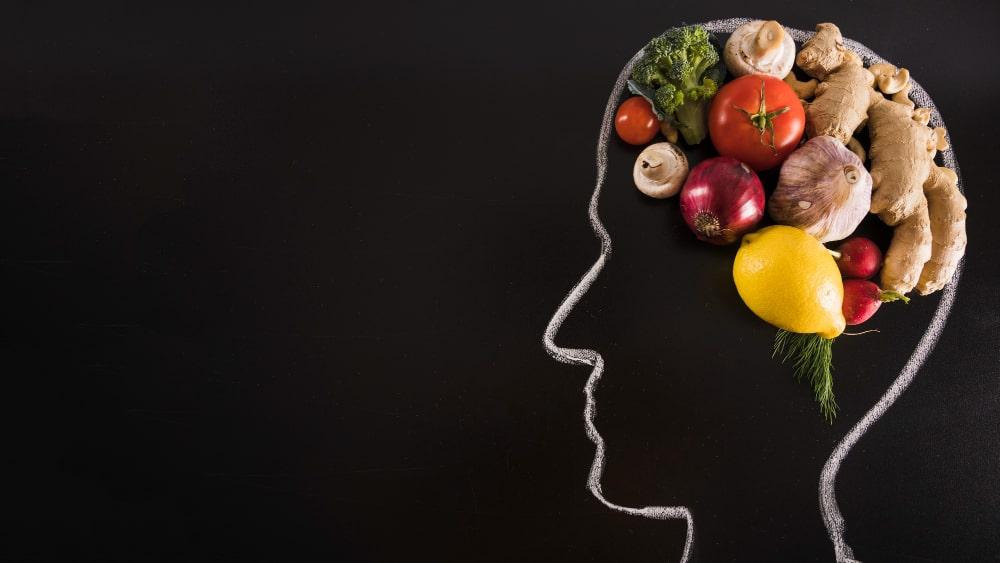
Research has shown that nutrition can significantly impact mood. Changes in dietary habits can be effective in managing symptoms of depression and improving overall mental health. In particular, some foods have been found to have properties that support brain chemicals and stabilize mood.
Omega-3 Fatty Acids and Depression
Omega-3 fatty acids can play an important role in the treatment of depression. These healthy fats, found in fish oil, support brain functions and reduce inflammation.
Foods rich in omega-3, such as salmon, sardines, and walnuts, can alleviate symptoms of depression. Studies suggest that omega-3 fatty acids may improve mood by increasing serotonin and dopamine levels.
The Importance of Vitamins and Minerals
B vitamins, particularly B12 and folic acid, support mood by regulating brain chemicals. These vitamins are crucial for nerve system health, and deficiencies can increase the risk of depression. Minerals like iron, zinc, and magnesium also support brain functions. Whole grains, vegetables, and nuts provide these vitamins and minerals, supporting mental health.

The Impact of Antioxidants on Mood
Antioxidants neutralize free radicals, protecting brain cells and potentially reducing the risk of depression. Antioxidants are abundant in fruits and vegetables, with foods such as blueberries, spinach, and broccoli supporting brain health and improving mood. A diet rich in antioxidants can help reduce symptoms of stress and anxiety.
The Effects of Dietary Habits on Depression
Understanding the impact of a healthy diet on depression is crucial for developing effective nutritional habits. Here are some dietary tips that can help you manage depression:
Balanced Diet
Create a balanced diet by avoiding sugary and processed foods. A nutrition plan that includes fiber, protein, and healthy fats can help stabilize your mood. A diet rich in healthy fats, whole grains, vegetables, and fruits may alleviate symptoms of depression.
Regular Meals
Eating at regular intervals helps keep your blood sugar levels stable and maintains your energy levels. This can reduce symptoms of anxiety and depression. Avoiding long periods without food can help keep your mood balanced.
Hydration
Adequate water intake is critical for your overall health and mood. Dehydration can increase feelings of fatigue and irritability. By increasing your daily water consumption, you can improve your mood and support your overall health.
Nutrition and Anxiety: Connections and Solutions
Dietary habits can affect not only depression but also anxiety. Processed foods and excessive caffeine consumption can worsen anxiety symptoms. Instead, opting for healthy snacks that support stress management can be beneficial. Additionally, techniques like meditation and exercise can help improve your mood and manage stress effectively.
Lifestyle and Depression
A healthy lifestyle plays a critical role in managing depression. Regular exercise, adequate sleep, and a balanced diet support mental health. Exercise releases endorphins, which can improve your mood, while sufficient sleep helps regulate brain functions. By incorporating these elements, you can create a healthy lifestyle that aids in managing depression and anxiety.
Conclusion
Nutrition has a significant impact on depression and overall mental health. Consuming healthy foods can alleviate symptoms of depression and improve your mood.
Foods rich in omega-3 fatty acids, vitamins, and antioxidants help balance brain chemicals and support mental well-being. Creating a healthy lifestyle with a balanced diet, adequate hydration, and regular meals is an important part of managing depression and enhancing overall mental health.
Therefore, by reviewing your diet and adopting healthy habits, you can support your mental health and feel better. Remember, healthy eating nourishes not just your body but also your mind. For more information and healthy living tips, don’t forget to check out Bitely. Bitely can guide you in personal development and health topics and support you on your journey. Discover ways to improve your mental and physical health now!


.png&w=2048&q=75 "Sun Tzu and ‘The Art of War’: The Evolution of Strategies Over Time")