.png&w=2048&q=75)
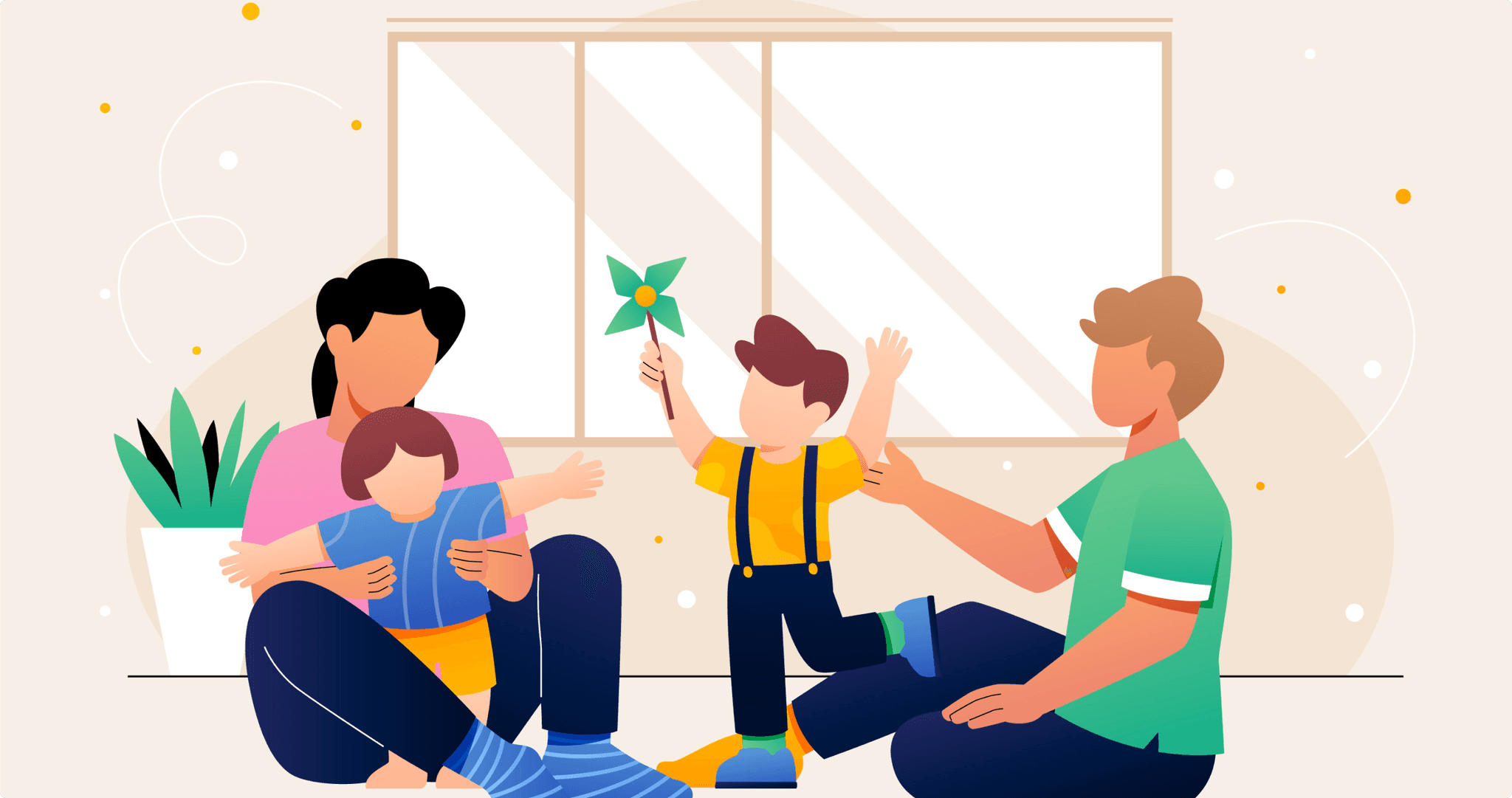
Being a parent during this period requires revisiting financial, emotional, social, cultural, and even spiritual dimensions of life. Parenting teens is not just a responsibility; it’s a journey of learning and teaching.
Table of Contents
- The Deeper Meaning of Parenting During Adolescence
- 1. Financial Planning and Economic Balance
- 2. Emotional Intelligence and Resilience
- 3. Social Connections and Community Support
- 4. Cultural and Spiritual Depth
- Practical Steps for Conscious Parenting
- Conclusion: A Multifaceted Journey
The Deeper Meaning of Parenting During Adolescence
Parenting is more than meeting physical needs. It involves teaching values, social skills, and cultural awareness. However, the essence of parenting isn’t just about the child’s development; it’s also about rediscovering your own identity, values, and priorities.
A Harvard study highlights that parents of teens often develop stronger empathy, turning this period into a time of personal growth (Harvard Gazette, 2022).
1. Financial Planning and Economic Balance
Parenting teens demands financial awareness and long-term thinking. While you support your child’s education, you also need to pursue your own career goals. OECD reports show that young parents who take conscious financial steps can achieve better economic security (OECD, 2021).
What Can You Do?
• Set long-term financial goals.
• Invest in your child’s education while reserving resources for your own growth.
• Regularly review your family budget to optimize resources.
2. Emotional Intelligence and Resilience
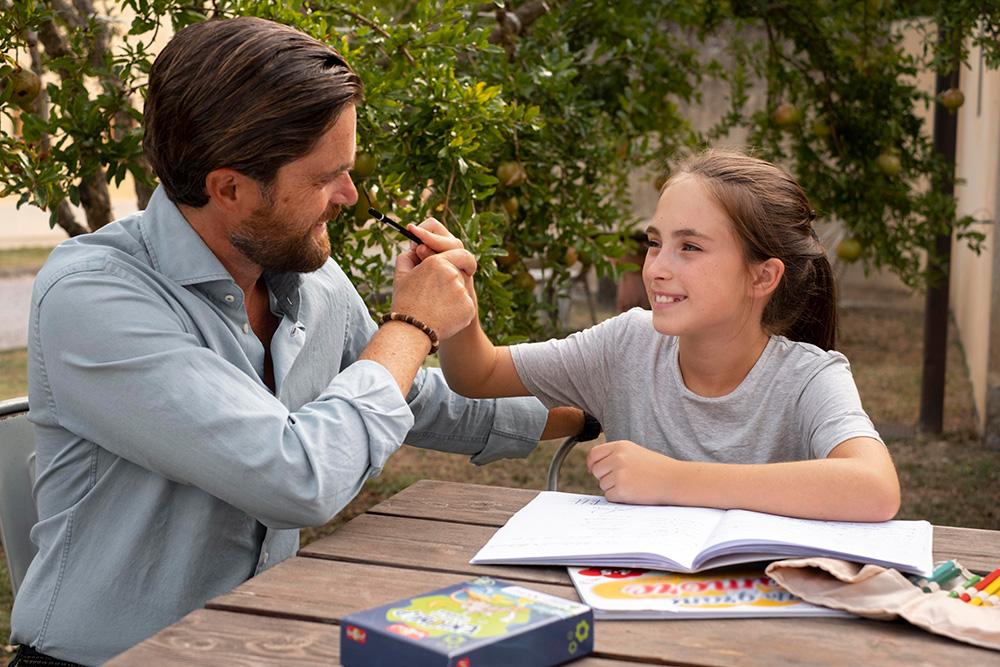
Parenting requires emotional resilience as much as physical strength. It’s important to manage your own emotions while addressing your teen’s complex emotional needs. Emotional intelligence involves empathy, emotional management, and effective communication.
What Can You Do?
• Take time to understand your feelings. Ask yourself, “How will this decision benefit both me and my child in the long run?”
• Build open communication with your teen and try to understand their emotional world.
3. Social Connections and Community Support
Parenting isn’t just a family matter—it’s also a social responsibility. Strong connections with the community provide parents with a support network and help children develop social skills.
What Can You Do?
• Join local parenting groups and exchange ideas.
• Involve your teen in community service projects to nurture empathy and solidarity.
4. Cultural and Spiritual Depth
Parenting includes helping your teen grow with cultural and spiritual values, offering them a broader perspective on life. This process also allows parents to reassess their own values.
What Can You Do?
• Attend cultural events together (museums, theaters, historical tours).
• Create meaningful family rituals, like weekly discussions about current events.
Practical Steps for Conscious Parenting
1. Empower Yourself Through Education: While investing in your child’s learning, develop your own skills. Lifelong learning sets a great example for your teen.
2. Balance Empathy and Discipline: Respect your teen’s individuality while setting healthy boundaries.
3. Take Care of Yourself: Maintain mental clarity by adopting healthy habits. Reading modern parenting resources can give you fresh insights.
4. Use Technology Wisely: Guide your teen’s use of technology while leveraging digital tools to improve your time management. Platforms like Bitely can help enhance awareness and support your parenting journey.
Conclusion: A Multifaceted Journey
Parenting teens is a transformation at both personal and societal levels. Financial awareness, emotional resilience, cultural depth, and social connections form the foundation of this journey. Most importantly, parenting is not just a responsibility but an opportunity for growth and discovery.
With tools like Bitely, you can maintain clarity, manage time effectively, and prepare both yourself and your teen for a better future. Remember, parenting is not a destination but a journey, offering countless opportunities for learning and growth—for both you and your child.
What’s your biggest challenge or learning as a parent? Share your thoughts in the comments below!


.png&w=2048&q=75 "Sun Tzu and ‘The Art of War’: The Evolution of Strategies Over Time")