.png&w=2048&q=75)
Table of Contents
- What is Social Phobia?
- Symptoms of Social AnxietySymptoms of Social Anxiety
- What Can Trigger Social Phobia?
- Situations That Can Contribute to Social Phobia
- Situations Where You Might Experience Social Phobia
- Diagnosis of Social Phobia
- 3 Tips to Manage Your Social Phobia
- Be Kind to Yourself
- Take a Deep Breath
- Stop Focusing on Yourself
What is Social Phobia?
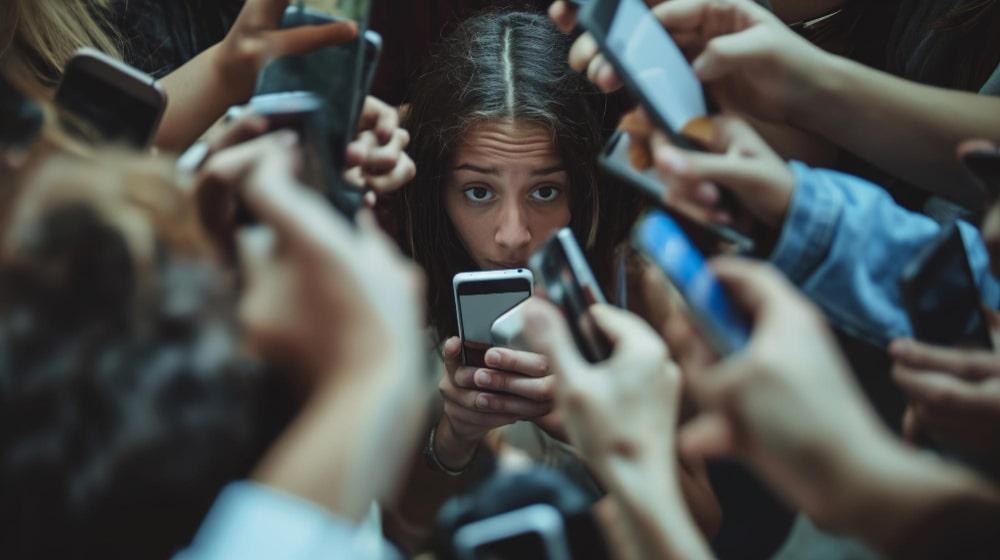
Also known as social anxiety disorder, social anxiety is characterized by intense fear and anxiety in social situations or when being observed by others. This condition can negatively impact daily life, leading to low self-esteem, shyness, and fear of making mistakes.
Social phobia typically begins in childhood or adolescence and can stem from various factors, including critical parental attitudes, negative social experiences, and genetic predispositions. There are numerous coping strategies and treatment options available to manage this common anxiety disorder.
Symptoms of Social Anxiety
Individuals with social anxiety fear being embarrassed, judged negatively, or appearing inadequate in front of others. These fears manifest through physical symptoms and behavioral responses.
The anxiety becomes particularly noticeable in social situations, such as speaking in front of a crowd, meeting new people, or feeling observed. Social anxiety can become a constant source of stress in daily life, often leading to withdrawal and isolation.
Symptoms of Social Anxiety
Social anxiety can manifest through various symptoms, including:
Fear of Making Mistakes: Worrying about saying something wrong, making a fool of oneself, or leaving a negative impression on others.
Intense Anxiety: Experiencing excessive worry before and during social interactions, often ruminating on the situation hours or even days in advance.
Low Self-Esteem: Feeling inadequate and fearing embarrassment or shame in front of others.
Physical Symptoms: Experiencing physical reactions such as rapid heartbeat, sweating, trembling, nausea, blushing, and muscle tension.
Avoidance Behavior: Avoiding social situations, declining invitations, and steering clear of social events.
Excessive Self-Criticism: Continuously questioning one's behavior after social interactions, feeling intense shame or regret over actions or words.

What Can Trigger Social Phobia?
Social phobia can arise from various factors related to a person's interactions and experiences. These triggers may include:
Peer Bullying and Exclusion: Experiences of bullying, humiliation, or social exclusion during formative years can influence the development of social anxiety.
Relationship Issues: Problems in interpersonal relationships and negative experiences in social settings can contribute to the development of social phobia.
Genetic Factors: Genetic predispositions may play a role in the likelihood of developing social anxiety.
Traumatic Childhood Events: Traumatic experiences during childhood, such as significant emotional distress or abuse, can be a contributing factor.
Critical or Controlling Parenting: Overly critical or controlling behaviors from parents can impact a child's self-esteem and contribute to social phobia.
Situations That Can Contribute to Social Phobia
Several factors can contribute to the development of social anxiety, including:
Negative Learning Experiences: Repeated failures, embarrassment, or criticism in social settings.
Parental Attitudes: Overly critical, controlling, or excessively protective parenting behaviors.
Peer Bullying: Experiences of physical or emotional bullying, ridicule, or exclusion during school years.
Traumatic Social Experiences: Negative experiences such as being humiliated, embarrassed, or publicly mocked.
Family History of Social Anxiety: A history of social anxiety or similar anxiety disorders within the family.
High Expectations: Constant high-performance expectations in academic, work, or social contexts and the fear of failing to meet these expectations.
Unfavorable Social Comparisons: Frequently comparing oneself to others and feeling inadequate or worthless.
Situations Where You Might Experience Social Phobia
According to the Liebowitz Social Anxiety Scale, individuals with social phobia disorder may feel anxious in the following situations:
- Talking on the phone with someone unfamiliar
- Eating in public places
- Attending a social event or gathering
- Speaking in front of an audience, whether prepared or impromptu
- Hosting guests at home
- Having their knowledge, skills, or abilities tested
- Requesting a refund for a purchased item
- Dealing with a persistent sales representative
Diagnosis of Social Phobia
Individuals with severe social anxiety may face various challenges in their academic, professional, and personal relationships due to intense fears and avoidance behaviors. However, a diagnosis of social anxiety can only be made by a psychiatrist or psychologist.
If your fears in social situations are negatively impacting your quality of life, seeking professional help is crucial.
3 Tips to Manage Your Social Phobia
Be Kind to Yourself
No one is perfect, and everyone experiences moments of embarrassment or withdrawal at some point. Managing social anxiety is not an easy process, and you may face challenges such as falling back into old habits or succumbing to negative thoughts.
Your anxiety might increase when you feel tired or drained, but this doesn't mean you've failed. Be gentle with yourself; take a moment to pause, focus on the present, and apply the strategies you're working on.
Take a Deep Breath
Anxiety often comes with physical symptoms like a racing heart, chest tightness, dizziness, and muscle tension. Slowing down your breathing can help you regain control over your body.
Sit comfortably, take a deep breath, and hold it for four seconds. Then, slowly and exhale entirely. Inhale again, filling your abdomen with air, and repeat until you feel your breath returning to its average pace. This simple technique can help alleviate the physical effects of anxiety.
Stop Focusing on Yourself
When facing anxiety-inducing situations, it can be challenging to silence the endless chatter in your mind. Often, we turn inward, worrying about how others perceive us and assuming their judgments will be negative.
Instead of focusing on yourself and what others might think, focus on those around you and immerse yourself in the present moment. Build genuine connections, listen to what is said, and let go of the pressure to be perfect. Remember, everyone has flaws; focus on enjoying the moment.
Managing social anxiety requires time and effort, but with the right resources, it can become a more manageable process. Bitely and Bitely's psychology collections offer valuable insights to help you navigate social anxiety and related issues.
To learn more and benefit from these collections, explore Bitely and Bitely's psychology resources today.


.png&w=2048&q=75 "Sun Tzu and ‘The Art of War’: The Evolution of Strategies Over Time")