.png&w=2048&q=75)
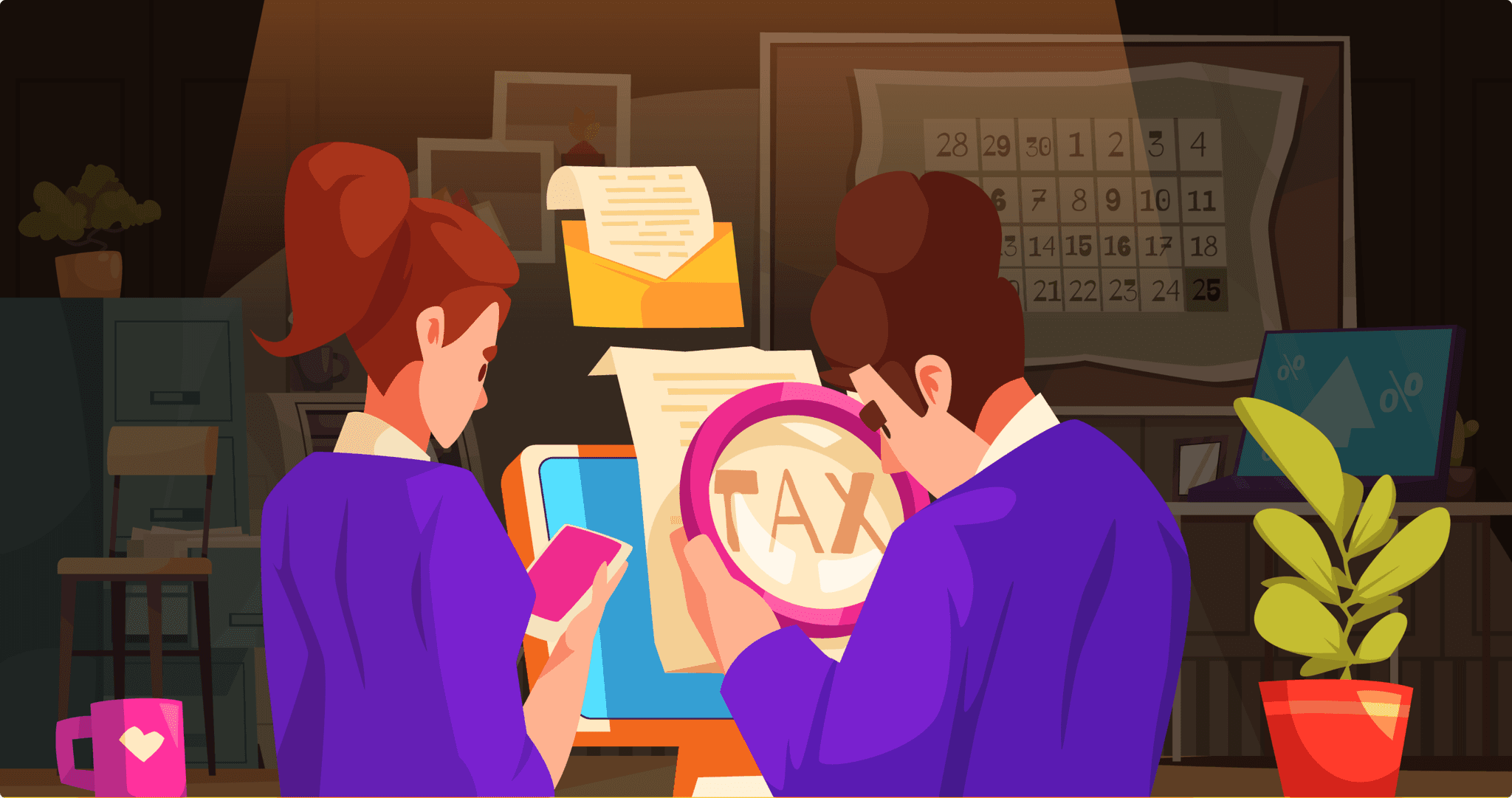
Particularly, workplace status, expectations for success, and the constant need to perform at high levels are directly related to anxiety. In this article, we will explore the causes and effects of anxiety encountered in the workplace and discuss ways to manage and cope with anxiety.
Table of Contents
- Causes of Anxiety in the Workplace
- Heavy Workload and Time Pressure
- Status Anxiety and Performance Pressure
- Job Insecurity and Economic Concerns
- Communication Problems and Workplace Relationships
- Effects of Anxiety on Job Performance
- Decreased Productivity
- Lack of Motivation
- Difficulties in Decision-Making
- Reduced Job Satisfaction
- Coping Strategies for Anxiety
- Time Management
- Mindfulness and Meditation
- Open Communication
- Seeking Professional Support
- Conclusion
Causes of Anxiety in the Workplace
Workplace anxiety can stem from various factors. Some of the most common causes include:
Heavy Workload and Time Pressure
One of the major sources of stress for employees is a heavy workload and tight deadlines. Difficulties with time management can increase employees' anxiety levels.
Status Anxiety and Performance Pressure
Many employees feel significant pressure to attain status and achieve success at work. This pressure can lead to performance anxiety and workplace-related stress. High expectations and a perfectionist mindset can undermine an individual's confidence in their work.
Job Insecurity and Economic Concerns
Economic uncertainties and job insecurity are common sources of anxiety among employees. The fear of losing one's job can lead to constant worry and stress.
Communication Problems and Workplace Relationships
Communication issues at work can negatively affect relationships between employees. Poor workplace relationships can increase stress and anxiety levels, thereby decreasing job productivity.
Effects of Anxiety on Job Performance
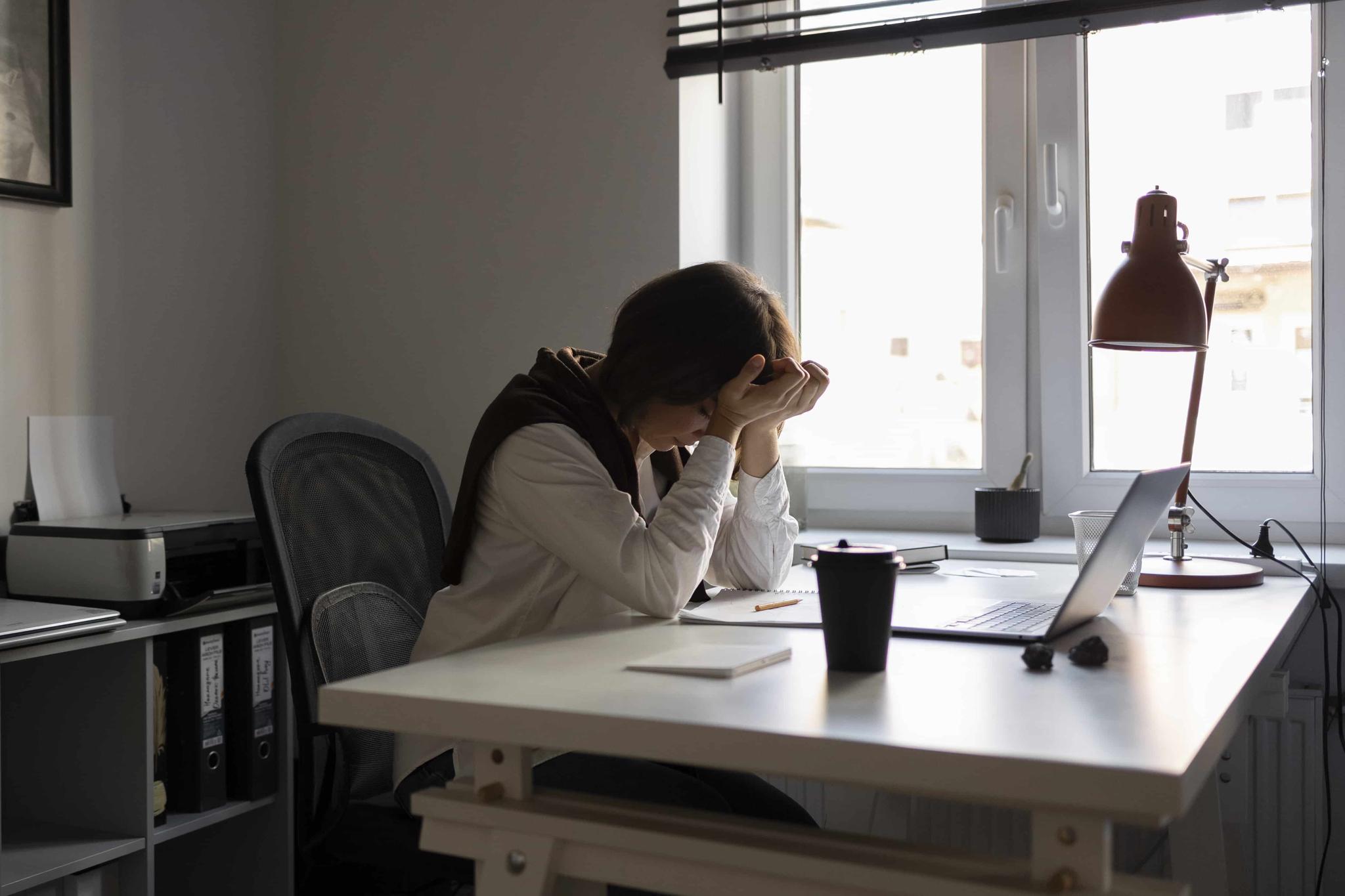
Anxiety can negatively impact employees' performance at work, leading to both individual and organizational harm. The adverse effects of anxiety on job performance include:
Decreased Productivity
Employees with high levels of anxiety may struggle to focus fully on their work, leading to a decrease in productivity and a decline in the quality of their output.
Lack of Motivation
Anxiety can diminish employees' motivation. A lack of motivation can result in decreased interest in their work and a reduction in job satisfaction.
Difficulties in Decision-Making
Anxiety can negatively affect employees' decision-making processes. An anxious mind may struggle to make quick and effective decisions.
Reduced Job Satisfaction
Anxiety can lower employees' satisfaction with their job. This reduction in job satisfaction can negatively impact employee engagement and disrupt workplace harmony.
Coping Strategies for Anxiety
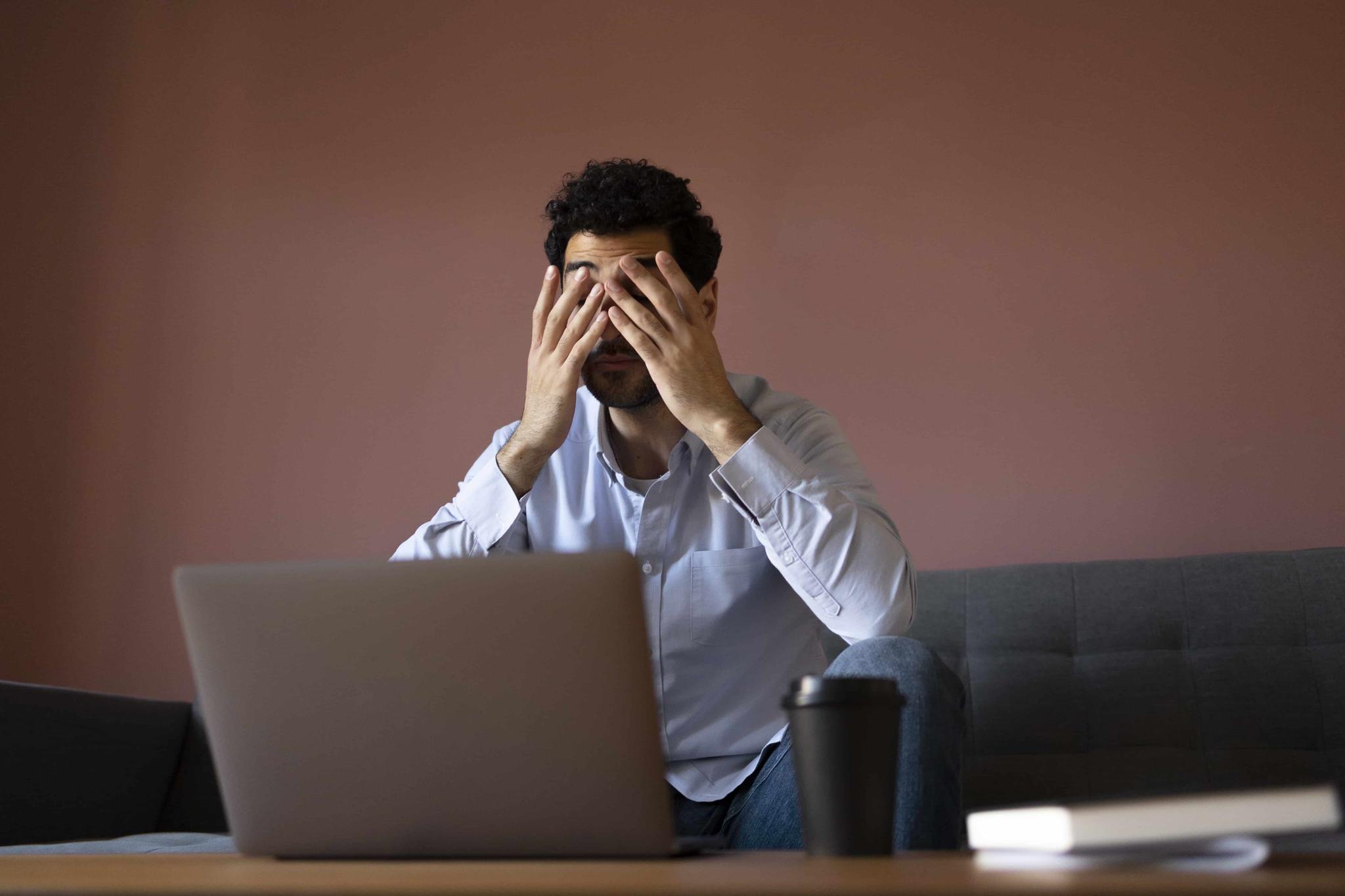
Managing anxiety in the workplace is crucial for both employees and employers. Here are some strategies to cope with anxiety:
Time Management
Improving your time management skills can help reduce stress and anxiety at work. Organizing your tasks in order of priority can alleviate time pressure.
Mindfulness and Meditation
Mindfulness and meditation techniques are effective methods for managing anxiety. These practices calm the mind, reduce anxiety levels, and enhance focus.
Open Communication
Maintaining open and effective communication at work can reduce sources of stress. Learning to give and receive feedback can help resolve communication issues.
Seeking Professional Support
If anxiety is negatively impacting your job performance, seeking professional support can be beneficial. Psychologists and therapists can provide effective strategies for managing anxiety.
Conclusion
Anxiety in the workplace is a common issue that can negatively affect job performance. However, it is possible to manage anxiety with the right strategies. Time management, mindfulness, open communication, and professional support are just a few ways to reduce workplace anxiety. By managing your anxiety, you can enjoy a more successful and satisfying journey both in your career and personal life.
For more information and in-depth content on coping with anxiety, explore Bitely's 'Psychology 101' collection. Bitely offers rich resources to support your personal and professional development, helping you manage stress and anxiety. Take the next step towards knowledge and visit Bitely today!


.png&w=2048&q=75 "Sun Tzu ve ‘Savaş Sanatı’: Stratejilerin Zaman İçindeki Evrimi")