
Psychology
How Minds ChangeHow Minds Change

How Minds Change

user-icon

David McRaney

Humans often believe their thoughts and decisions are rooted in logic, yet emotions typically drive choices, with reasoning used to justify them afterward. Techniques like deep canvassing, developed by Steve Deline and the Leadership LAB, have demonstrated the potential to shift deeply held beliefs through empathetic, nonjudgmental conversations, as evidenced by studies showing measurable success in changing opinions on contentious issues. Similarly, street epistemology, pioneered by Anthony Magnabosco, encourages critical thinking by examining the foundations of beliefs without pushing a specific agenda. These methods highlight how understanding and challenging belief systems can lead to transformation, as seen in the case of Charlie Veitch, a conspiracy theorist who reevaluated his stance on 9/11 after engaging with experts and victims’ families. Neuroscientific research further reveals that challenging deeply held beliefs, particularly on emotionally charged topics, can trigger defensive, fight-or-flight responses, underscoring the complexity of belief systems and the difficulty of fostering change.

clock8 دقيقة
bite4 Bite
target رؤية

ما الموضوع؟

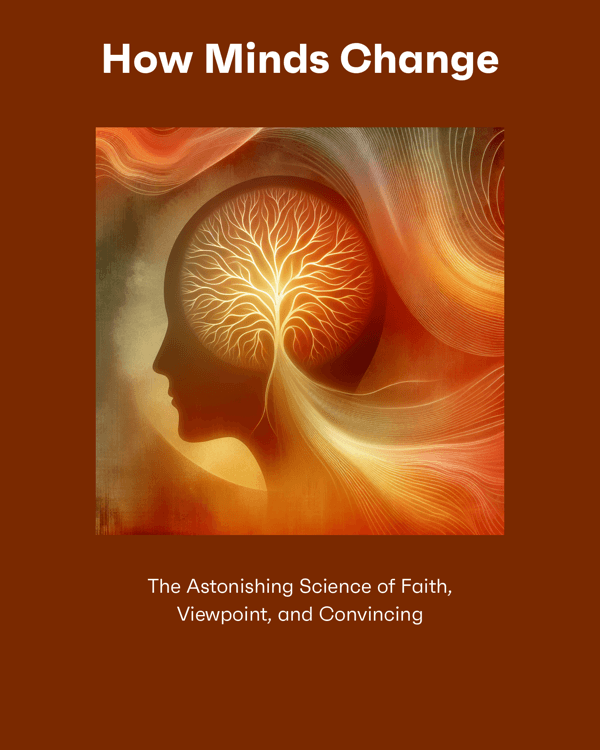
Humans often believe they fully understand the reasons behind their thoughts and decisions, but research reveals a more complex reality. This book delves into the emotional roots of belief formation, exploring methods like deep canvassing and street epistemology that challenge entrenched perspectives. Through compelling stories, such as a conspiracy theorist’s transformative journey and groundbreaking neuroscience studies, it examines how emotions and cognitive defenses shape our convictions. Engaging and thought-provoking, it invites readers to reconsider how they approach conversations and the beliefs they hold.

ملخص الكتاب

David McRaney is a science journalist and creator of the blog, book, and podcast You Are Not So Smart. He is also the author of You Are Now Less Dumb, and he gives lectures all around the world on the topics of reasoning, belief, and decision-making.

Humans often believe their thoughts and decisions are rooted in logic, yet emotions typically drive choices, with reasoning used to justify them afterward. Techniques like deep canvassing, developed by Steve Deline and the Leadership LAB, have demonstrated the potential to shift deeply held beliefs through empathetic, nonjudgmental conversations, as evidenced by studies showing measurable success in changing opinions on contentious issues. Similarly, street epistemology, pioneered by Anthony Magnabosco, encourages critical thinking by examining the foundations of beliefs without pushing a specific agenda. These methods highlight how understanding and challenging belief systems can lead to transformation, as seen in the case of Charlie Veitch, a conspiracy theorist who reevaluated his stance on 9/11 after engaging with experts and victims’ families. Neuroscientific research further reveals that challenging deeply held beliefs, particularly on emotionally charged topics, can trigger defensive, fight-or-flight responses, underscoring the complexity of belief systems and the difficulty of fostering change.

لتقرأ بقية الكتاب يمكنك تنزيل Bitely
appstoregoogleplayapp gallery
كل اللقطات
bite4 Bites

Breaking the Cycle of Conspiracy Beliefs

1
logo

When Beliefs Feel Like Survival

2
logo

Unlocking Belief: The Power of Persuasion

3
logo

Challenging Beliefs: The Art of Persuasion

4
logo

كتب ذات صلة

mailbox-icon

هل تريد الاستمرار في التعلم؟

لا تفوت التحديثات من عالم Bitely المثير!

Logo
appstoregoogleplay
app gallery

تابعنا على وسائل التواصل الاجتماعي

tiktokxinstagramyoutubelinkedinfacebook