Technology & Future
CloudmoneyCloudmoney

Cloudmoney

user-icon

Brett Scott

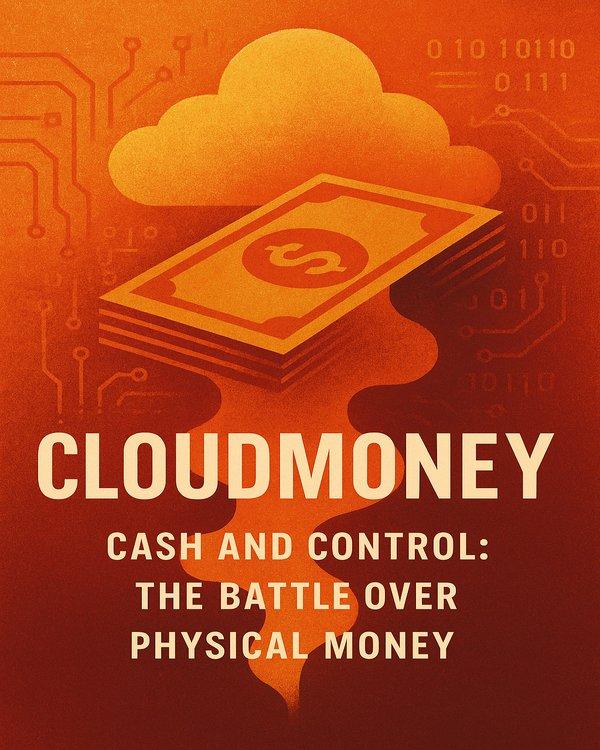
The journey to our current financial landscape began with the 2008 financial crisis, which eroded trust in banks and triggered a global recession. Simultaneously, technological advancements, such as the 2007 launch of the iPhone, spurred the rise of fintech startups aiming to disrupt traditional banking. However, instead of dismantling the system, these innovations became intertwined with it, promoting a cashless society driven more by corporate interests than grassroots demand. While digital payments gained momentum, particularly during the Covid-19 pandemic, concerns about privacy, surveillance, and higher transaction costs persist. Cash remains vital, especially for marginalized communities, emergencies, and fostering social progress, yet its availability is declining. Efforts to explore alternatives like cryptocurrencies and central bank digital currencies (CBDCs) have faced challenges, including limited adoption and surveillance concerns. As the push for cashless systems grows, safeguarding cash as a tool for autonomy, equity, and resilience becomes increasingly urgent.

hashtagfinance
clock6 دقيقة
bite3 Bite
target رؤية

ما الموضوع؟

This book delves into the complex evolution of money, exploring how the 2008 financial crisis and the rise of technology reshaped our financial systems. It examines the push toward a cashless society, questioning whether this shift is truly consumer-driven or orchestrated by powerful corporations seeking profit and control. Through vivid metaphors and historical insights, the narrative highlights the societal, economic, and privacy implications of abandoning cash. Ultimately, it challenges readers to reconsider the role of physical money in fostering autonomy, equity, and resilience in an increasingly digital world.

ملخص الكتاب

Brett Scott is a journalist, campaigner, and author. He used to be a broker, and knows the financial system inside out. He is a fellow at the Finance Innovation Lab, and has published other books such as The Heretic’s Guide to Global Finance.

The journey to our current financial landscape began with the 2008 financial crisis, which eroded trust in banks and triggered a global recession. Simultaneously, technological advancements, such as the 2007 launch of the iPhone, spurred the rise of fintech startups aiming to disrupt traditional banking. However, instead of dismantling the system, these innovations became intertwined with it, promoting a cashless society driven more by corporate interests than grassroots demand. While digital payments gained momentum, particularly during the Covid-19 pandemic, concerns about privacy, surveillance, and higher transaction costs persist. Cash remains vital, especially for marginalized communities, emergencies, and fostering social progress, yet its availability is declining. Efforts to explore alternatives like cryptocurrencies and central bank digital currencies (CBDCs) have faced challenges, including limited adoption and surveillance concerns. As the push for cashless systems grows, safeguarding cash as a tool for autonomy, equity, and resilience becomes increasingly urgent.

لتقرأ بقية الكتاب يمكنك تنزيل Bitely

appstoregoogleplayapp gallery
كل اللقطات
bite3 Bites

Cashless Future or Corporate Takeover?

1
logo

Bicycles, Cash, and the Fight for Freedom

2
logo

Rethinking Money: Cash, Crypto, and Control

3
logo

كتب ذات صلة

mailbox-icon

هل تريد الاستمرار في التعلم؟

لا تفوت التحديثات من عالم Bitely المثير!

Logo
appstoregoogleplay
app gallery

تابعنا على وسائل التواصل الاجتماعي

tiktokxinstagramyoutubelinkedinfacebook