
Self-Growth
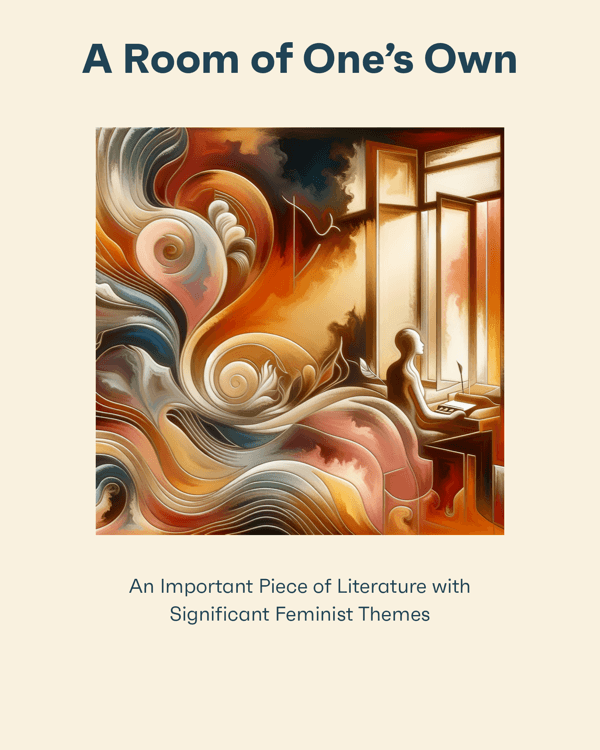
A Room of One’s OwnA Room of One’s Own

A Room of One’s Own

user-icon

Virginia Woolf

Shakespeare’s works are celebrated for their poetic brilliance, yet his era was also rich with male contemporaries creating extraordinary art, while women’s voices were glaringly absent due to systemic barriers like limited education and societal constraints. Virginia Woolf, through her fictional Judith Shakespeare, highlighted the stifling conditions that silenced countless talented women throughout history, depriving the world of their potential masterpieces. By the 1920s, however, women’s literature began to flourish, offering diverse perspectives and breaking traditional molds, as seen in Mary Carmichael’s groundbreaking portrayal of female friendship and collaboration. Woolf argued that true artistic greatness transcends gender, requiring both material support and an "androgynous mind" capable of embracing the full spectrum of human experience. Yet, societal preoccupation with rigid gender roles, particularly men’s insecurities about women’s growing influence, often hindered such progress. Woolf envisioned a future where creativity thrived free from these constraints, enabling all individuals to contribute equally to the arts.

clock12 دقيقة
bite6 Bite
target رؤية

ما الموضوع؟

This book delves into the intricate relationship between gender, creativity, and societal constraints, exploring how historical inequalities shaped the literary landscape. Through vivid examples and thought-provoking analysis, it examines the barriers women faced in pursuing artistic ambitions and the profound impact of these limitations on culture and history. Key themes include the transformative power of education, the importance of financial independence, and the potential of transcending gender norms to achieve artistic greatness. Engaging and insightful, it invites readers to reflect on the untapped brilliance lost to systemic inequities and the possibilities of a more inclusive creative future.

ملخص الكتاب

Virginia Woolf was one of the most esteemed writers of the Modernist era. Her works include novels like Mrs Dalloway, To the Lighthouse, and Orlando – all of which are considered classics.

Shakespeare’s works are celebrated for their poetic brilliance, yet his era was also rich with male contemporaries creating extraordinary art, while women’s voices were glaringly absent due to systemic barriers like limited education and societal constraints. Virginia Woolf, through her fictional Judith Shakespeare, highlighted the stifling conditions that silenced countless talented women throughout history, depriving the world of their potential masterpieces. By the 1920s, however, women’s literature began to flourish, offering diverse perspectives and breaking traditional molds, as seen in Mary Carmichael’s groundbreaking portrayal of female friendship and collaboration. Woolf argued that true artistic greatness transcends gender, requiring both material support and an "androgynous mind" capable of embracing the full spectrum of human experience. Yet, societal preoccupation with rigid gender roles, particularly men’s insecurities about women’s growing influence, often hindered such progress. Woolf envisioned a future where creativity thrived free from these constraints, enabling all individuals to contribute equally to the arts.

لتقرأ بقية الكتاب يمكنك تنزيل Bitely
appstoregoogleplayapp gallery
كل اللقطات
bite6 Bites

Unlocking Creativity: Women, Freedom, and Art

1
logo

Unveiling Gender Bias in Literary Tradition

2
logo

Unwritten Genius: Women’s Struggle for Expression

3
logo

Breaking Barriers: Women’s Struggle for Creativity

4
logo

Redefining Fiction: Women’s Voices Unbound

5
logo

Breaking Boundaries: Art Beyond Gender Constraints

6
logo

كتب ذات صلة

mailbox-icon

هل تريد الاستمرار في التعلم؟

لا تفوت التحديثات من عالم Bitely المثير!

Logo
appstoregoogleplay
app gallery

تابعنا على وسائل التواصل الاجتماعي

tiktokxinstagramyoutubelinkedinfacebook