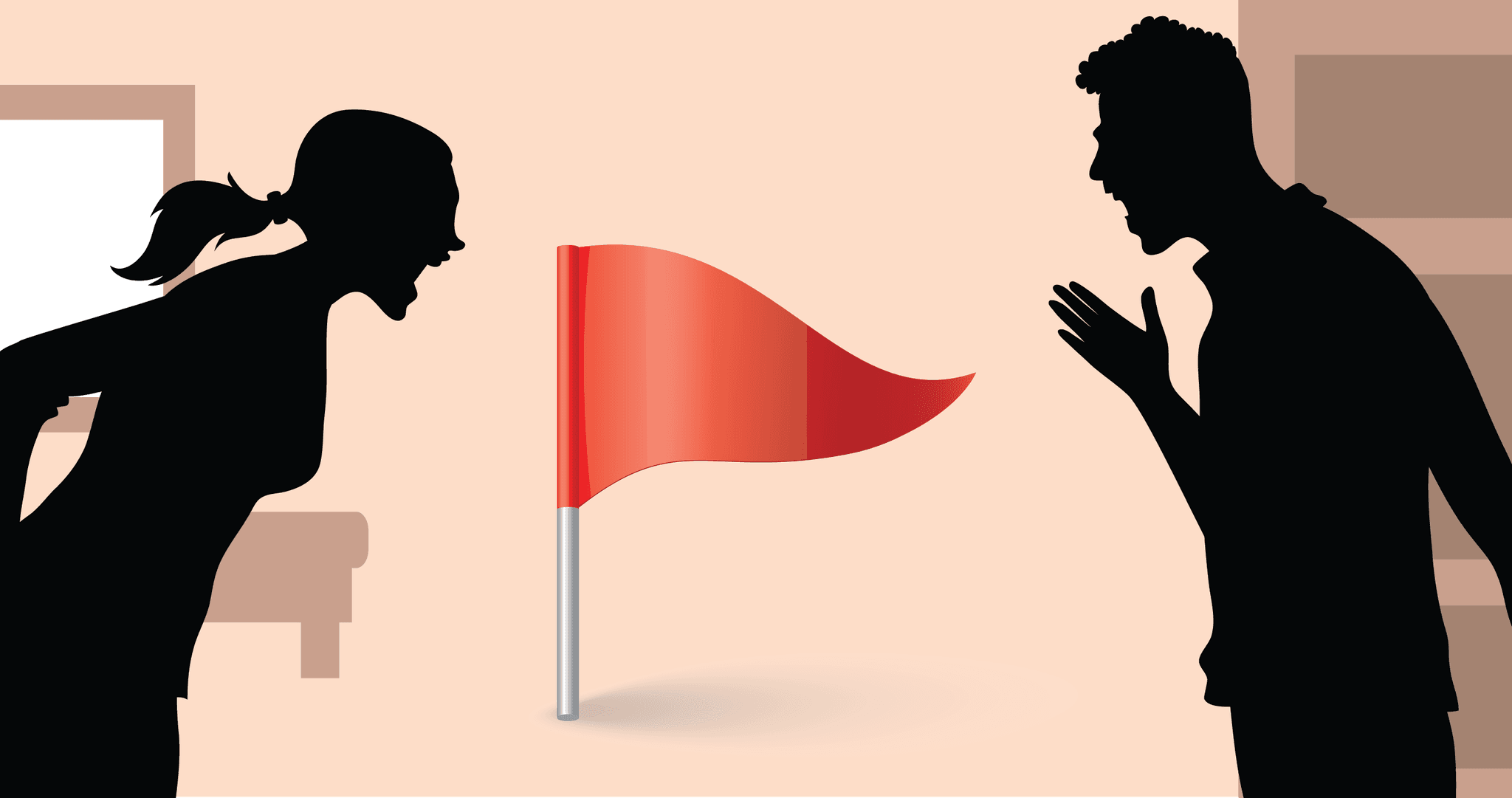
Sometimes, when love and affection blind us, we may overlook our partner's negative behaviors. At this point, it's crucial to recognize the warning signs known as "red flags" in relationships. So, what is a red flag, and why is it so important in relationships? Let's explore this topic in more detail.
Table of Contents
- What is a Red Flag?
- What are Red Flags in Relationships and Why are They Important?
- What are the Most Common Red Flags?
- Excessive Control and Jealousy
- Manipulation and Blame
- Boundary Violations
- Excessive Attachment or Attachment Issues
- Emotional and Physical Abuse
- How to Recognize These Signs?
- What Should You Do When You Encounter Red Flags?
- Establish Open Communication
- Set Your Boundaries
- Seek Professional Support
- Consider Ending the Relationship if Necessary
- Conclusion: Know Your Worth and Reassess Your Relationship
What is a Red Flag?
A red flag is a term that refers to potential warning signs exhibited by your partner that could indicate future problems in a relationship. This term, "red flag," serves as a warning and highlights situations that should be considered within relationship dynamics. These signs often signal an unhealthy or harmful relationship. For example, if your partner exhibits controlling behavior, violates your boundaries, or displays manipulative attitudes, these can be considered red flags.
What are Red Flags in Relationships, and Why are They Important?
Identifying red flags is crucial for understanding whether your relationship is healthy. Many people may overlook or ignore these warning signs in relationships due to love and attachment. However, recognizing and reflecting on these signs can help you better understand yourself and your partner. Red flags warn about more significant issues you may face in the future and prompt you to reassess your relationship. Therefore, recognizing these signs early on is critical in protecting yourself from an unhealthy relationship.

What are the Most Common Red Flags?
Some common warning signs that can be classified as red flags in relationships include:
Excessive Control and Jealousy
Behaviors such as your partner constantly wanting to know where you are, checking who you communicate with on social media, or trying to isolate you from your friends can indicate a dangerous relationship. These types of behaviors restrict your freedom and can make you feel pressured.
Manipulation and Blame
If your partner constantly criticizes you, engages in emotional manipulation, or shifts their mistakes onto you, this is also a significant red flag. Such behaviors undermine your self-confidence and create an imbalanced power dynamic in the relationship.
Boundary Violations
Every individual has personal boundaries, and a partner should respect these. However, if your partner disregards your requests, ignores your "no" answers, or fails to
acknowledge your boundaries, this is a significant warning sign.
Excessive Attachment or Attachment Issues
If your partner becomes overly dependent on you or consistently avoids taking the relationship to the next level, these can also be considered red flags. Such situations can lead to an imbalance in the relationship dynamic and long-term unhappiness.
Emotional and Physical Abuse
Situations where your partner belittles you, insults you, or resorts to physical violence are among the most severe red flags that indicate you should end the relationship immediately. In such cases, it is crucial to prioritize your safety and seek professional support.
How to Recognize These Signs?
To identify red flags, you must first learn to look at yourself and your relationship from an outside perspective. Observe your partner's behaviors and the effects those behaviors have on you. For example, you must take these situations seriously if you constantly feel uneasy around your partner or restricted and pressured when communicating with them. Additionally, listening to the opinions of your friends or family about your relationship can be crucial. An outside perspective can often help you notice issues you may not see yourself.
What Should You Do When You Encounter Red Flags?
If you have noticed red flags in your relationship, the first step is acknowledging the situation and being honest with yourself. Here are some steps you can take:
Establish Open Communication
The first step is to talk to your partner about these issues and express your feelings clearly. If your partner takes the situation seriously and seems willing to change, you may be able to improve your relationship together.
Set Your Boundaries
Clearly express the behaviors that disturb you and set boundaries against them. These boundaries are essential for the healthy progression of the relationship.
Seek Professional Support
If you feel that your partner hasn't changed or that discussing these issues is impossible, you can seek help from a therapist or relationship counselor. This can help you make more informed decisions about your relationship.
Consider Ending the Relationship if Necessary
If red flags persist and you believe the relationship harms you, ending it may be the healthiest decision. Prioritize yourself and your emotional well-being.
Conclusion: Know Your Worth and Reassess Your Relationship
Recognizing red flags in relationships and acting on them can help you navigate your life and yourself more effectively in the long run.
Remember, a healthy relationship is one where both parties feel comfortable and safe and where boundaries and desires are respected. Know your worth, and do not ignore the issues you face in your relationship.
If you found something relatable in the topics discussed in this article, it might be time to reassess your relationship. Don't forget to visit Bitely for more information about relationships!


.png&w=2048&q=75 "Sun Tzu and ‘The Art of War’: The Evolution of Strategies Over Time")