Everything has a history—a story that helps individuals and societies understand who they are. In this article, we’ll explore why learning history is so important and how it impacts our lives.
Table of Contents
- What Does It Mean to Know History?
- Identity and Belonging
- Learning from the Past
- New Perspectives and Imagination
- Cultural Richness and Empathy
- Critical Thinking and Problem- Solving
- Using History to Guide the Future
- Conclusion
What Does It Mean to Know History?
History is not just about knowing what happened in the past. It’s about understanding why and how events happened and what effects they had on people and societies. Knowing history helps us see the cultural and social forces that shape our identity. Yuval Noah Harari, in his book Homo Deus, describes history as a liberating force. He says learning history can ease the burden of the past and give people the courage to explore new possibilities.
Identity and Belonging
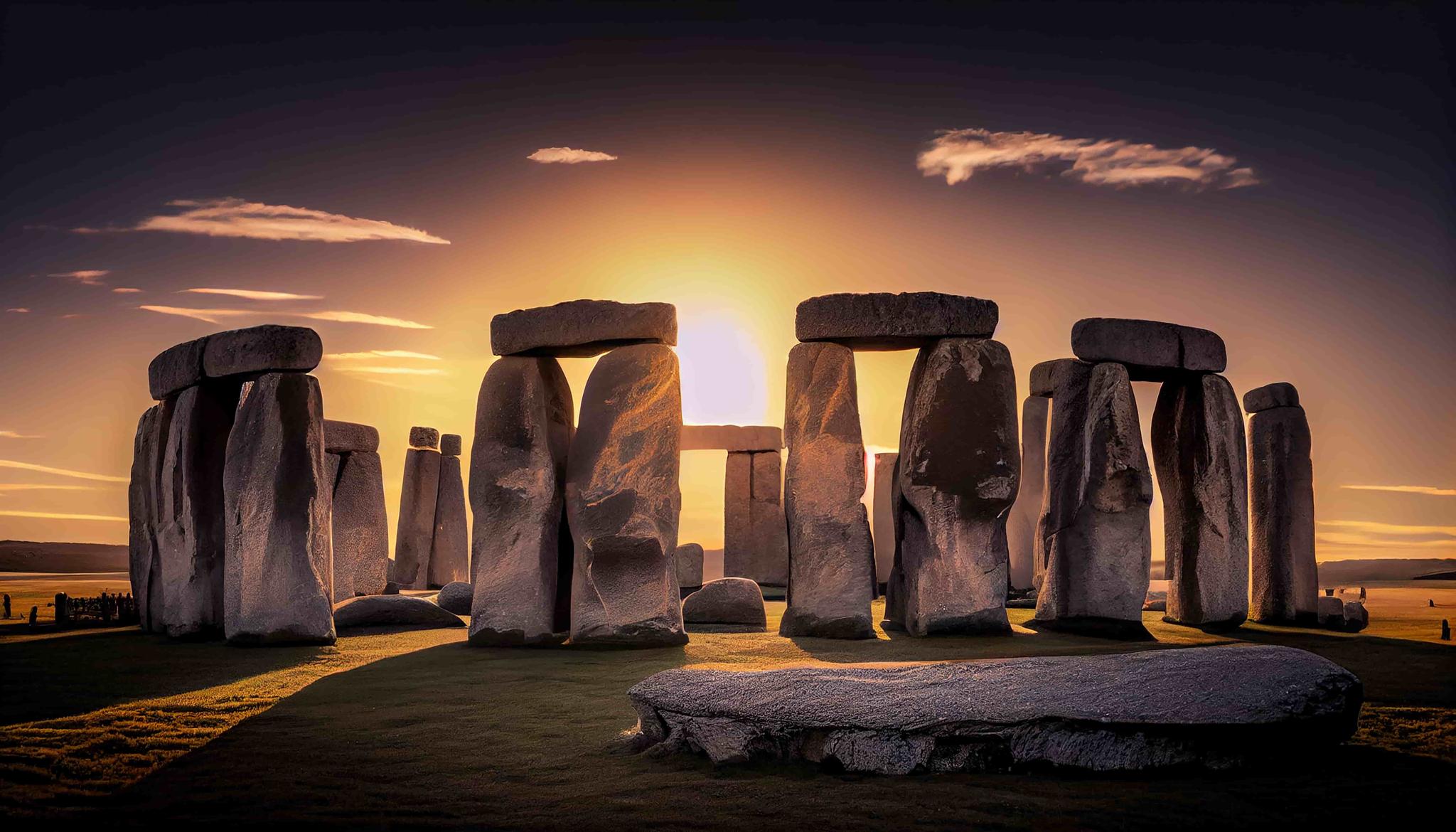
History helps people understand their roots and who they are. To learn more, check out Identity and Society. A society’s culture, traditions, and national identity are all rooted in its history. Without knowing history, people are like trees without roots. As Cicero famously said, "To not know what happened before you were born is to remain forever a child."Understanding history gives people a sense of belonging.
Learning from the Past
History teaches people and societies to learn from mistakes. For example, analyzing past wars or economic crises can help us avoid making the same mistakes again. Ahmet Cevdet Paşa once said, "It’s not about knowing the past, but about learning from it." If you want to dive deeper, explore Lessons from History. Studying history helps us prepare for challenges and make better decisions in the future.
New Perspectives and Imagination
History helps people see the world in new ways. As Harari points out, studying history reveals unexpected events that shaped the past. This inspires people to imagine different possibilities for the future. History gives us the courage to question today’s systems and find better paths forward. It also enriches creativity and fuels innovation.
Cultural Richness and Empathy
History allows us to understand how different cultures interacted and influenced each other. This understanding builds empathy. To learn more, visit Biography and History Books. History is the foundation of tolerance and understanding. It also helps societies preserve and celebrate their cultural richness. For example, understanding the multicultural structure of the Ottoman Empire shows the importance of coexistence.
Critical Thinking and Problem- Solving
Studying history develops critical thinking and analytical skills. Historians question the causes of events and consider different perspectives. New knowledge often leads to reinterpretations of the past. This process sharpens problem-solving skills and helps people make informed decisions in their daily lives.
Using History to Guide the Future
History is not just a record of the past; it’s a tool for understanding the present and shaping the future. Explore more in Biography and History Books. Learning from past successes and failures can help solve today’s problems. Books like Nicolae Iorga’s The History of the Ottoman Empire and William H. McNeill’s The Rise of the West show how history can inspire progress and build a better future.
Conclusion
Knowing history helps people and societies understand their identities, learn from past mistakes, and create a brighter future. As Cicero said, "To not know what happened before you were born is to remain forever a child." History is not just about the past—it’s about discovering ourselves and building a better tomorrow. By learning from history, we can create a stronger and more conscious world.


.png&w=2048&q=75 "Sun Tzu and ‘The Art of War’: The Evolution of Strategies Over Time")