Today, networking is seen as more than just a business skill—it is a way to improve your life. Whether you want to grow in your career or develop personally, having the right connections can make a big difference.
Remember: “Your network is your net worth.” The relationships you build are your greatest asset in both personal and professional life.
Table of Contents
- From Small Groups to Global Networks
- Networking Through History
- How Networking Helps Your Life and Career
- Conclusion: Networking as a Way of Life
From Small Groups to Global Networks
In the last 10 years, the idea of “networking” has become common not only in business but also in social life. People often form groups, or “tribes,” to feel connected and supported. Networking is more than joining a group; it’s about turning simple conversations into meaningful relationships.
For example, you might talk to someone on a bus or in a coffee shop. Often, it ends there. But like in Chinese culture, transforming small talks into deeper relationships shows who you are.
Building strong relationships starts with caring about others. It’s not just saying hello; it’s about observing and taking meaningful steps to connect with the right people.
Networking Through History
Social connections have always been important. In ancient times, traders exchanged ideas and knowledge along trade routes. During the Renaissance, scientists and artists worked together on big projects.
Today, platforms like LinkedIn have made networking global, but they also risk losing the personal touch. That’s why it’s important to balance online and in-person connections.
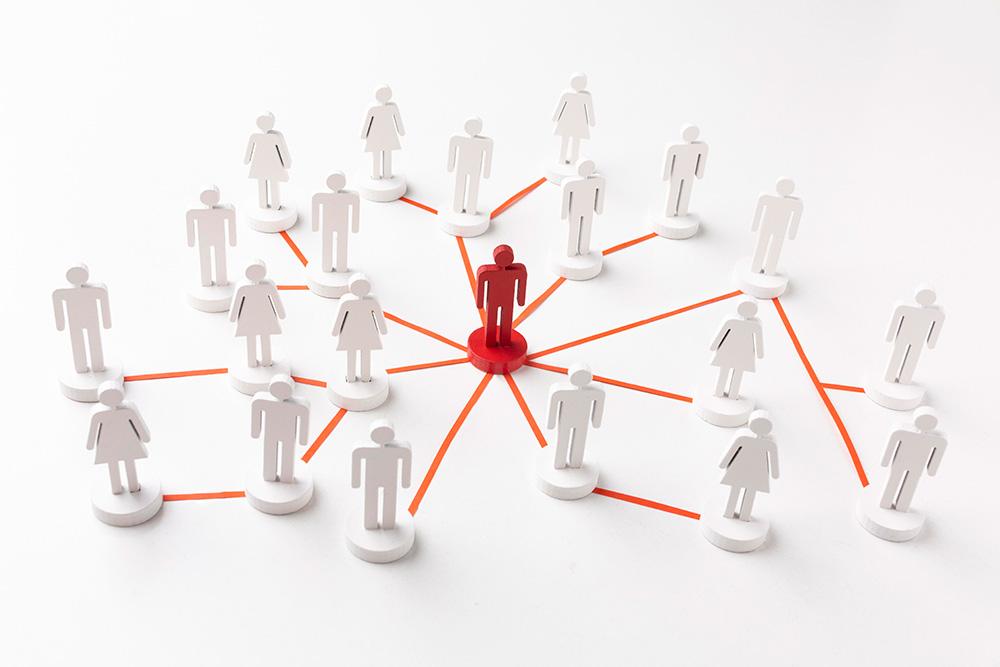
How Networking Helps Your Life and Career
Building the right connections isn’t only for business. A strong network can help you feel more confident, creative, and open-minded. Research shows that people with strong social ties feel less stressed and are more productive.
Your Brain and Social Connections
Talking to people doesn’t just help you connect—it also helps your brain. Social interactions keep your brain active and improve problem-solving, empathy, and creativity. Each new connection is like exercise for your brain.
Learning from Nature: Social Ecosystems
Nature teaches us the value of relationships. For example, bees and flowers work together for mutual benefit, and trees share resources through their roots. Similarly, in networking, focusing on long-term relationships benefits everyone involved.
The Key to Real Networking: Sincerity
Networking works best when it’s genuine. People can sense whether you truly care or not. Sincerity shows through how you listen, speak, or even make eye contact. If you value others, they will value you in return. Networking is not just about getting something from others—it’s about creating meaningful connections.

Conclusion: Networking as a Way of Life
Networking isn’t just a business tool; it’s a way to live a more meaningful and productive life. Meeting the right people can make your journey easier and more rewarding.
The keys to networking are sincerity, observation, and genuine care for others.
Simple acts like listening carefully, smiling, or saying “hello” can make a huge difference. Networking is about “collecting the right people” and building strong, lasting connections. By adopting this mindset, you can add value to your personal and professional life.
As Bitely, We Aim to Empower Individuals to Build Stronger and Smarter Networks. At Bitely, our goal is to help individuals create a more robust and conscious network. With Bitely, you have the tools to grow and enhance this value!


.png&w=2048&q=75 "Sun Tzu and ‘The Art of War’: The Evolution of Strategies Over Time")