.png&w=2048&q=75)
Table of Contents
- What is Astrology?
- Zodiac Signs and Planets
- Planets and What They Represent
- Sun
- Moon
- Mercury
- Venus
- Mars
- Jupiter
- Saturn
- Uranus
- Neptune
- Pluto
- Conclusion
What is Astrology?
Astrology is the art of interpreting people's character, lives, and future events based on the positions of planets, stars, and zodiac signs in the sky.
Used since ancient times, astrology helps individuals understand their inner worlds and life journeys through concepts such as birth charts, the effects of planets, and the characteristics of zodiac signs.
The positions of planets and zodiac signs in the sky interact with the energy present at the time of a person's birth, shaping that individual's personality and life journey. For this reason, astrology is considered an important tool for those who wish to know themselves and discover the meaning of life under the guidance of the cosmos.
Zodiac Signs and Planets
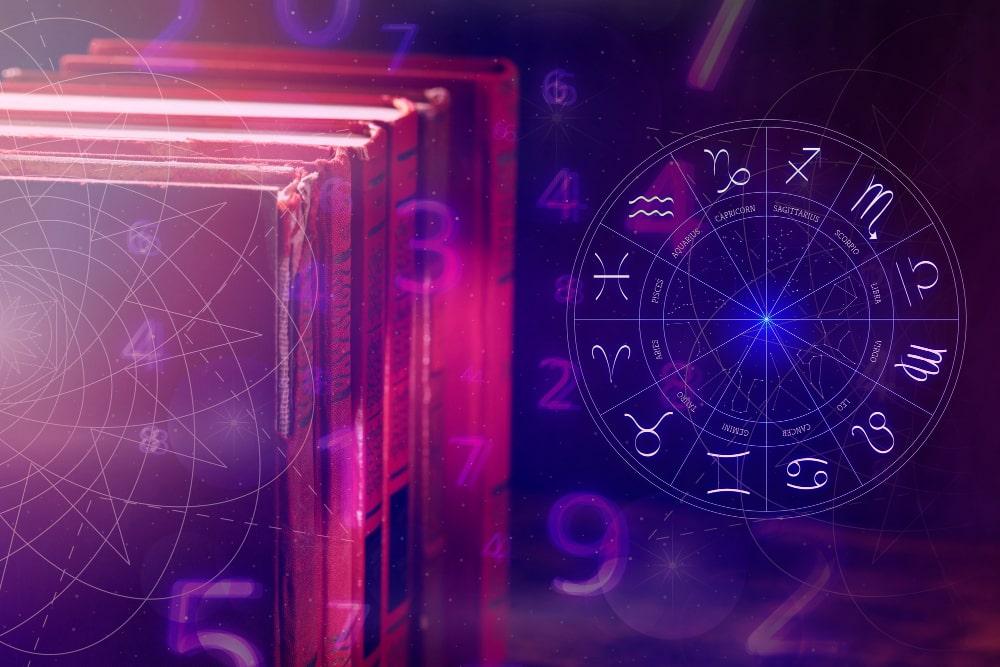
According to astrology, zodiac signs and planets are considered cosmic energies that shape our lives. Each zodiac sign is determined by the positions of the planets in the sky at the moment of our birth and reflects different aspects of our personality. The 12 signs range from Aries to Pisces, each representing specific traits.
The planets are the rulers of the zodiac signs, and each has its own unique energy. For example, Mercury symbolizes communication and intelligence, Venus represents love and beauty, while Mars signifies courage and passion. Our Sun sign reflects who we are and our life energy, whereas our Moon sign represents our emotional world and inner needs.
The relationship between zodiac signs and planets forms the foundation of our birth chart and influences various aspects of our lives. When each planet is positioned in a different zodiac sign, it merges with the energy of that sign, shaping our personality, behaviors, and perspective on life.
This is why many people interested in astrology strive to understand themselves and their surroundings better by considering not only their zodiac signs but also the influences of the planets.
If you are curious about the role of zodiac signs and planets in your life, you can explore what the cosmos has to say about you by creating your birth chart. These unique energies in the sky can guide you on your life journey!

Planets and What They Represent
Planets are powerful energy centers that influence various aspects of our personality and life. Each planet has its own unique symbolism and represents different areas in our birth chart. Here are the planets and what they represent in astrology:
Sun
Represents: Identity, ego, life energy.
The Sun symbolizes a person's true self, life goals, and the areas where they wish to shine. Its position in the birth chart indicates how we utilize our life energy.
Moon
Represents: Emotions, inner world, security.
The Moon expresses our emotional responses, inner needs, and nurturing desires. It reflects how we maintain emotional balance and what we do to feel secure.
Mercury
Represents: Communication, intelligence, thought processes.
Mercury governs our mental processes and the ways we learn and communicate. It defines how we think, speak, and gather information.
Venus
Represents: Love, beauty, relationships.
Venus symbolizes love, aesthetics, and the things we value. It reflects our attitudes in relationships, our understanding of beauty, and how we make life enjoyable.
Mars
Represents: Energy, courage, desire.
Mars expresses our courage, how we take action, and our desires. It represents our fighting spirit, how we achieve our goals, and our passions.
Jupiter
Represents: Expansion, luck, wisdom.
Jupiter embodies optimism, the desire for growth and exploration. It shows its influence on luck, abundance, and personal development in our birth chart.
Saturn
Represents: Responsibility, discipline, boundaries.
Saturn represents our ability to maintain discipline, patience, and structure. It shows how we handle obstacles and carry our responsibilities.
Uranus
Represents: Change, innovation, freedom.
Uranus symbolizes revolutionary thoughts, the desire for freedom, and unexpected changes. It reflects how we embrace originality and transformation in our lives.
Neptune
Represents: Imagination, inspiration, spirituality.
Neptune expresses our dreams, intuitions, and spiritual pursuits. It represents our creativity, dreams, and sources of inspiration.
Pluto
Represents: Transformation, power, rebirth.
Pluto symbolizes deep transformations, hidden powers, and significant changes in our lives. It reveals power struggles and how we rediscover ourselves.
Analyzing the positions of these planets in our astrology chart and their interactions with the signs can help us better understand ourselves and our lives. These cosmic guides in the sky provide insights across many areas, from our inner world to our social relationships.
Conclusion
Astrology is a profound discipline that helps us understand how the planets and zodiac signs in the sky influence our personalities, lives, and relationships. This ancient body of knowledge, which allows us to discover our personal traits through the birth chart, guides us on our life journey through the interactions of planets and signs.
In conclusion, by exploring the wisdom hidden in the depths of the sky, you can find more meaning and direction in your life. With the cosmic perspective that astrology offers, you can gain a new outlook on life and take more conscious steps on your inner journey.


.png&w=2048&q=75 "Sun Tzu and ‘The Art of War’: The Evolution of Strategies Over Time")