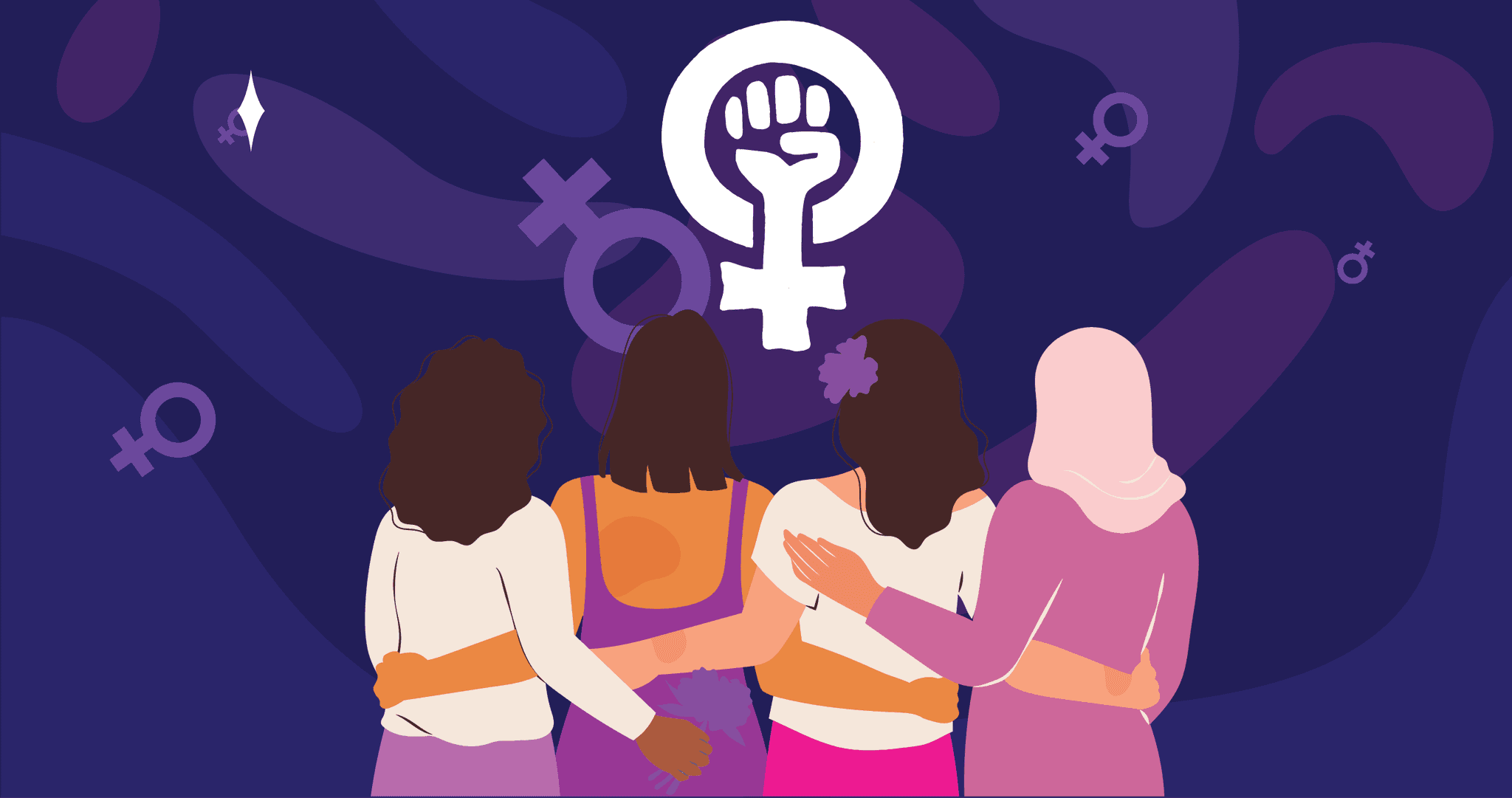
As a symbol of power, solidarity, and meaning, the color purple is one of the most important symbols representing the fighting spirit of feminism and the quest for women's freedom. So, where does the relationship between feminism and the color purple come from?
Table of Contents
- The Suffragette Movement and the Meaning of Colors
- Cultural and Historical Connections of the Color Purple
- Creativity and Spirituality: Women's Cultural Contributions
- International Women's Day and the Color Purple
- Royalty and Power
- Inclusivity and Diversity
- Independence and Rebellion
- From Suffragettes to Today
- Beyond the Color Purple
The Suffragette Movement and the Meaning of Colors
The suffragette movement was a radical feminist movement that fought for women's suffrage in the late 19th and early 20th centuries. The suffragettes organized various protests and actions to secure political rights for women. The movement was led by the Women's Social and Political Union (WSPU), founded by Emmeline Pankhurst in Britain. The suffragettes continued their struggle for women's suffrage through non-violent acts of civil disobedience.
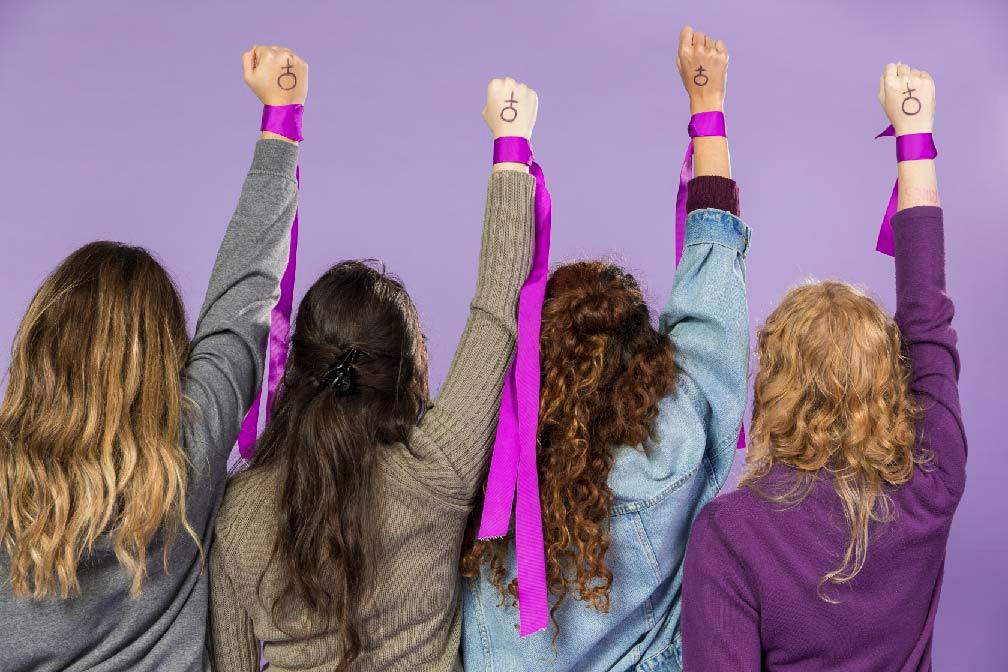
The suffragette movement is known for using the colors purple, white, and green as symbols. These three colors were used to represent three important aspects of the movement: purple symbolized dignity, white symbolized purity, and green symbolized hope. These colors were frequently used on banners, ribbons, and in the clothing worn by suffragettes during protests. But why is the color purple, rather than green or white, associated with feminism?
Cultural and Historical Connections of the Color Purple
The relationship of the color purple with the feminist movement also draws on its own cultural background, where it has been associated with royalty, luxury, and ambition. Historically, purple dye was expensive and difficult to produce, making it primarily reserved for nobles and the wealthy. This led to the color purple becoming a symbol of power and status. Feminist movements adopted this symbolism, using the color purple to represent women's power and ambition.
Creativity and Spirituality: Women's Cultural Contributions
The color purple is also known as a color associated with creativity, imagination, and spirituality. These qualities have long been linked to women, who have been seen as guardians of culture and creativity. The use of purple as the official color of International Women's Day (IWD) signifies that the day is not only a celebration of women's achievements in the workplace and politics but also a recognition of their broader contributions to culture and society.
International Women's Day and the Color Purple
In the early 20th century, the women's suffrage movement in Britain used the colors purple, green, and white to represent their cause. Purple was thought to represent "the royal blood that flows in the veins of every suffragette.
Royalty and Power
Purple has historically been associated with royalty and nobility. In this context, feminists have used the color purple to advocate that women deserve the power and respect they are entitled to in society.
Inclusivity and Diversity
Purple also symbolizes the inclusivity and diversity of the feminist movement. The women's rights movement encompasses women at the intersection of race, class, sexual orientation, and other identities, and purple is used to symbolize this diversity. This comprehensive approach reflects the broad-based support and universal values of the feminist movement.
Independence and Rebellion
Purple is also associated with independence and rebellion. This association stems from feminists who defy traditional gender roles and advocate for their right to self-determination, embracing purple as a color that represents their cause.
From Suffragettes to Today
The color purple, which gained deep significance thanks to the suffragettes in the early 20th century, has acquired a national meaning in today's increasingly digital world. Purple has come to be used in all branches of feminism and across the globe. Feminist activists, artists, and writers use the color purple in protests, campaigns, artworks, and literary works to make their voices heard.
Beyond the Color Purple
Feminism is a movement too broad and comprehensive to be limited to just one color. While purple serves as a historical and symbolic representation of feminism, it alone cannot encapsulate all the values and demands of feminism. Feminism is a belief system that advocates for fundamental concepts such as gender equality, justice, freedom, and solidarity. These concepts form the essence of the centuries-long struggle for women's rights.


.png&w=2048&q=75 "Sun Tzu and ‘The Art of War’: The Evolution of Strategies Over Time")