.png&w=2048&q=75)
The logic is that witnesses often remain passive, thinking someone else will intervene. When everyone expects someone else to act, no one might step in. The first study on the bystander effect was conducted in 1964.
The concept of diffusion of responsibility due to group affiliation is a valid approach to explaining the bystander effect. The study's origin came from the death of Kitty Genovese, which occurred while 38 people witnessed it. Following this claim, further theoretical work on the phenomenon was carried out.
Table of Contents
How Does the Bystander Effect Arise?
- Diffusion of Responsibility: When there are many bystanders in a situation requiring help, individuals tend to avoid taking responsibility. They wait for others to intervene. In such situations, a person often thinks: "Even if I don't help, someone else will."
- Search for Social Approval: People may delay or avoid taking action in crowded environments because they care about what others might think. They may act according to others' reactions. When the majority remains passive, it discourages the individual from taking action. The fear of social rejection or the need for societal acceptance can explain this.
- Risk and Safety Concerns: In some situations, people may think taking action could be dangerous. Therefore, they prefer to observe others and wait before acting.
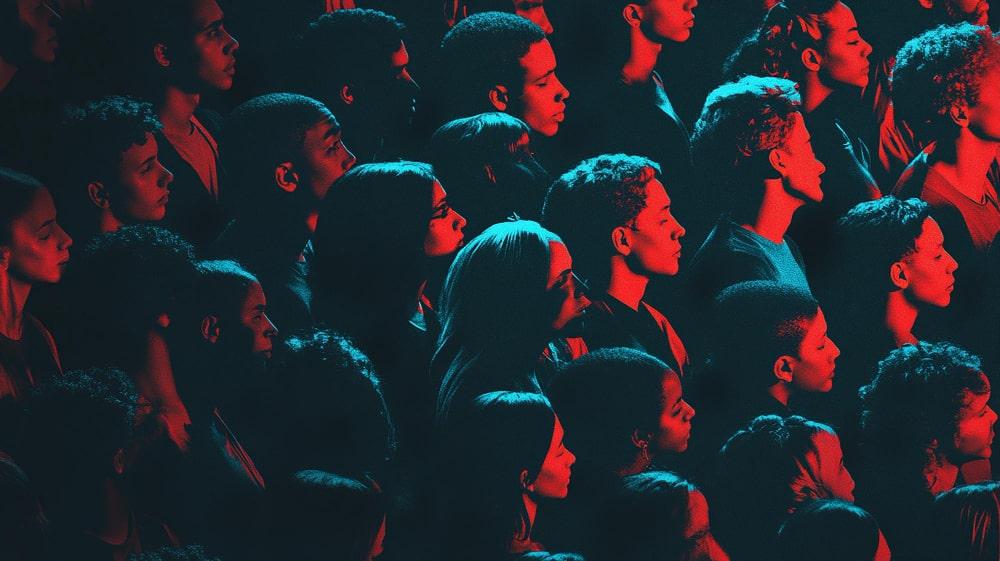
Psychological Reasons Behind the Bystander Effect
- Unconscious Denial: When deciding whether people usually assess the potential danger of help or not, people usually assess tty; people may choose to remain reactive or wait for others to act.
- Desire to Protect Oneself: Before rushing to help, a person often wants to ensure their safety. If they have concerns about their safety, the decision to not help becomes more dominant.
- Difficulty in Empathizing: In crowded environments, individuals may struggle to empathize. With a reduced level of empathy, it becomes harder to grasp the seriousness of a situation, which can diminish the desire to help.
Almost everyone may encounter a situation where they are a bystander at least once. Especially when in a large group, it is often difficult for anyone to be the first to act.

For example, when a person on public transport realizes they forgot their card and asks for help, but everyone looks at each other, that's the bystander effect. No one takes action, and everyone expects someone else to do it.
Awareness of this effect can help individuals act sensitively, even in a group. As awareness increases, the sense of responsibility develops. The thought "someone else will help" fades away, and even in a crowded environment, the individual is no longer hesitant to offer help.
Because today, while you might be waiting for someone else to step in, even if you're not the subject of the situation, the time will come when you need help. In those moments, always waiting for someone else to take action shows a lack of awareness.
It only takes one awake person to awaken all the sleepers.
- Malcolm X


.png&w=2048&q=75 "Sun Tzu and ‘The Art of War’: The Evolution of Strategies Over Time")