.png&w=2048&q=75)
In this article, we’ll explore the health impacts of a vegan diet, what a vegan diet consists of, and how to maintain a healthy vegan lifestyle.
Table of Contents
- What is a Vegan Diet?
- The Benefits of a Vegan Diet
- What Do Vegans Eat?
- Important Considerations for Vegan Diets
- Conclusion
What is a Vegan Diet?
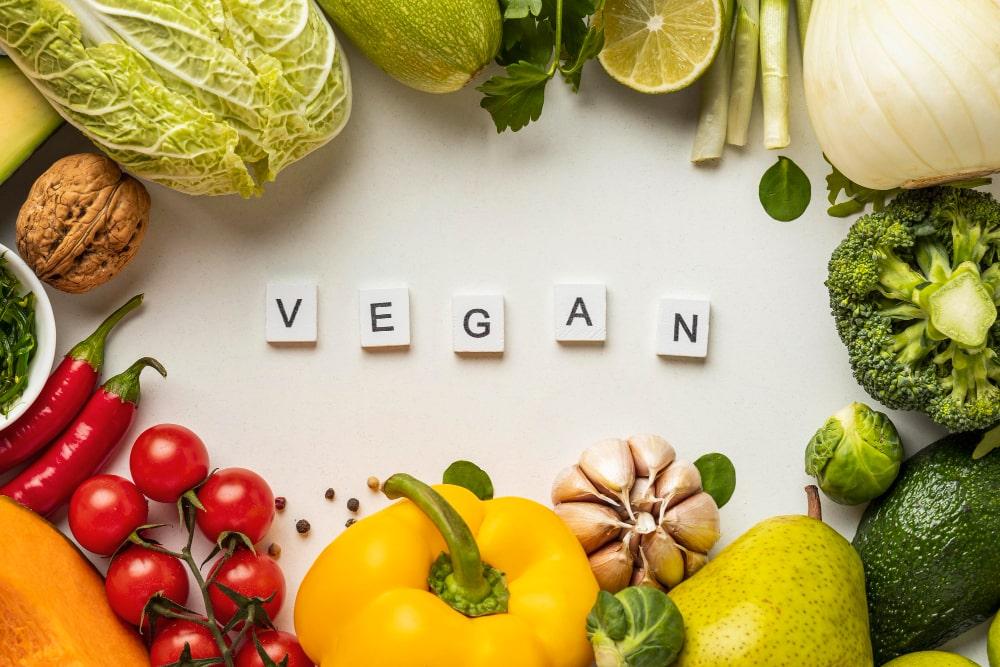
A vegan diet is one that excludes all animal products. Vegans do not consume meat, dairy, eggs, or any animal by-products such as honey or gelatin. Instead, they rely on plant-based foods. Vegetables, fruits, grains, legumes, seeds, and nuts form the core of vegan nutrition.
The Benefits of a Vegan Diet
Whether a vegan diet is healthy depends on what types of food are consumed. A well-planned, balanced vegan diet can offer many health benefits:
- Supports Heart Health: Vegan diets tend to be lower in saturated fat and cholesterol, which may reduce the risk of heart disease. Plant-based foods are rich in antioxidants and fiber, both of which contribute to heart health. Studies show that vegans tend to have lower blood pressure and LDL (bad) cholesterol levels.
- Better Digestion: Vegan diets are high in fiber, which supports digestive health. Fiber helps regulate the digestive system and promotes gut health. Since plant-based foods are fiber-rich, they can prevent digestive issues like constipation.
- Weight Control: Vegan diets are often lower in calories and fat, making weight management easier. A plant-based diet focuses on natural, low-calorie foods by avoiding overly processed products. Research indicates that people on a vegan diet generally have a lower body mass index (BMI) compared to meat-eaters.
- Protection Against Chronic Diseases: Vegans tend to consume more antioxidants, vitamins, and minerals, which may protect against chronic diseases such as cancer, diabetes, and obesity. Leafy greens, fruits, and legumes provide essential nutrients that help build disease resistance.
What Do Vegans Eat?
When balanced and planned properly, a vegan diet can meet all of the body's nutritional needs. So, what exactly do vegans eat?
- Protein Sources: Getting enough protein is crucial in a vegan diet. Protein is the building block of cells and is essential for muscle development and immune function. Vegan protein sources include lentils, chickpeas, beans, tofu, tempeh, quinoa, chia seeds, and pea protein powder. These foods are great alternatives to animal proteins.
- Calcium and Vitamin D: Vegans do not consume dairy, so they get calcium from plant sources. Broccoli, almonds, sesame seeds, leafy greens, and calcium-fortified plant milks are good sources of calcium. Vitamin D, essential for calcium absorption, can be synthesized through sunlight exposure, but vitamin D supplements may also be needed.
- Iron and B12: Vegans get their iron from plant-based sources. Spinach, lentils, and pumpkin seeds are rich in iron. Since vitamin B12 is primarily found in animal products, vegans often need to take B12 supplements to ensure they are getting enough of this essential nutrient.
Important Considerations for Vegan Diets
While there are many health benefits to veganism, it's crucial to ensure the diet is balanced. Overly processed vegan foods can lead to health issues. Packaged vegan chips, processed meat substitutes, and high-sugar vegan desserts can be harmful to health if consumed in excess. Therefore, it’s important to focus on fresh, whole, plant-based foods.
Additionally, maintaining proper levels of vitamins and minerals is essential. Deficiencies in B12, iron, and calcium can lead to serious health problems. Therefore, it’s recommended to take supplements when necessary.
Conclusion
When done correctly, a vegan diet can be a very healthy lifestyle. It offers numerous benefits, such as promoting heart health, supporting digestion, aiding in weight control, and protecting against chronic diseases. However, it's essential to maintain a balanced and nutritious diet by choosing the right foods.
If you're considering adopting a vegan diet, it’s wise to consult with a nutritionist to develop a balanced meal plan. A vegan lifestyle can be rewarding both for health and ethical reasons, but it requires careful attention to nutrition.


.png&w=2048&q=75 "Sun Tzu and ‘The Art of War’: The Evolution of Strategies Over Time")