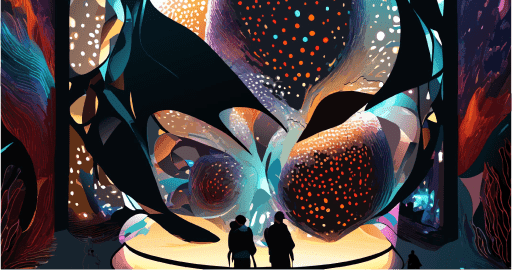
Refik Anadol, an inspirational data artist, uses data as a painting brush to reflect mesmerizing images of architecture. In his works, Anadol collects various data sets from wind frequencies to urban vehicle traffic to transform them into visual art installations with the help of artificial intelligence and machine learning algorithms. As he calls this process “using architectural spaces as canvases to transform data into pigments and make buildings hallucinate,” the outcome brings urban spaces to life.
Machine Hallucination: New York
How would it look if we collected all the memories we shared with our social network and turned them into a dynamic painting? In Anadol’s exhibition “Machine Hallucination,” 100 million photos of New York were shared to create a collective memory of the city in visualization. Perhaps the most exciting thing about this AI-assisted algorithm is that it doesn’t only visualize a collective consciousness of the town. Still, it can create new memories based on past experiences. The work's viewers find themselves in a cinematic experience of wonderfully synthesized data and experience a vivid image of a city that is alive.
Visions of America, Ameriques: Los Angeles
In his performance Visions of America, Anadol focuses on capturing live musical data in collaboration with the LA Philharmonic Orchestra to project them into visual installations. In this case, the Walt Disney Concert Hall doesn’t make it easier for Anadol to find a suitable surface to install his visuals. However, the artist can use the architecture so effectively to nail it.
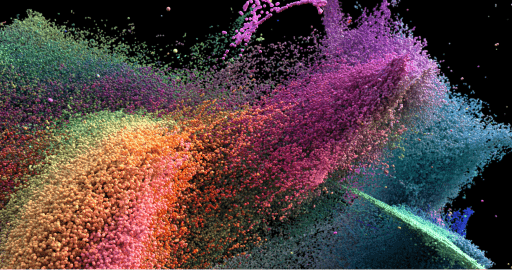
With the help of custom-built algorithmic sound analysis, music is experienced visually to complement the viewers' multiple senses. It’s mind-blowing to see various kinds of data transformed into other art forms with the help of artificial intelligence and enhanced engineering. In fact, why do we consider data boring numbers for corporations and academics when we can imagine them as the eye-opening information surrounding us?
Melting Memories: Istanbul
Anadol works with people with a broad range of expertise, including data and computer scientists, architects, musicians, and even storytellers. In “Melting Memories,” he works closely with neuroscientists to capture the brain activities of individuals while they think of vivid memories they have in their conscious and subconscious minds. The project aims to make machines remember and revive the memories of individuals with the help of EEG (electroencephalogram) that measures brain activity and a custom-built data algorithm to uncover a visualized expression.
Anadol, with sincere curiosity, returns to ancient philosophical questions about memory and what it really means. For example, can machines store and remember memorial data? More so, could our memories be expressed in a whole different way we haven’t experienced before? The artist makes a striking statement on these questions with his multidisciplinary works.
Experiencing Anadol’s works opens up a new conversation about how data can be processed and imagined. Data can form inter-relations with every aspect of our lives and find mutual ground for existence. Since artificial intelligence technologies to process data continue to improve, striking minds like Anadol will continue to impress through their unique vision of art. As the artist puts it in one of his interviews, “AI can construct things that human intelligence intends to produce but cannot do so.”
Unsupervised: MoMA
Unsupervised, this project delves into what kind of dreams a machine would have after encountering the vast art collection of The Museum of Modern Art. Anadol employs artificial intelligence to analyze and convert over two centuries of artwork at MoMA. Renowned for his innovative media creations and public installations, Anadol has generated digital artworks that dynamically evolve in real time. These artworks constantly generate fresh and surreal shapes, enveloping the audience within an immersive and expansive installation.
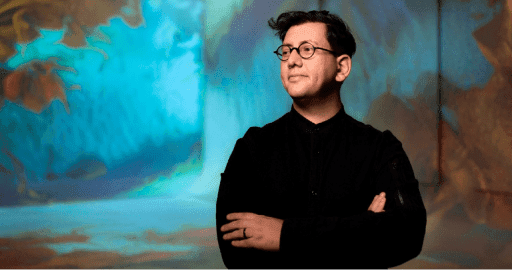
The artwork "Unsupervised" dives into technology, creativity, and contemporary art. Anadol utilized an advanced machine-learning algorithm to analyze the openly accessible data from MoMA's collection. As the algorithm navigates through its perception of this extensive assortment of artworks, it envisions a reimagined history of modern art, contemplating the possibilities of what might have existed in the past and what could potentially unfold in the future.
Would you like to start your reading journey but don't know where to start?
If you are intimidated, it would be better to begin with smaller pieces of content rather than diving into a book immediately. Bitely can help with this issue with its diverse collection of book summaries, including technology, psychology, mindfulness, productivity, and more!
In addition, we make learning portable and accessible.


.png&w=2048&q=75 "Sun Tzu and ‘The Art of War’: The Evolution of Strategies Over Time")